



Scars can cause concern and undermine confidence for many people. Whether caused by an accident, acne, or surgery, scars can affect both appearance and personality. This leads many people to look for the fastest ways to reduce scars. This article brings together natural methods that can be tried at home and medical techniques that offer more visible results, providing guidance on reducing scars and helping the skin look smooth and clear again.
What Are Scars, and What Causes Them?
Scars are the result of the body repairing damaged skin, whether the damage is caused by a wound, inflammation, or surgery. During wound healing, the body produces new tissue that may differ from the original skin in color, smoothness, and thickness. This creates what we call a “scar.”
What Types of Scars Are There?
Scars vary depending on their cause and severity, as well as each person’s healing process. They can generally be divided into seven main types:
1. Hypertrophic Scar
Hypertrophic scars develop when excessive collagen is produced at the site of a wound, although the tissue remains within the boundaries of the original injury. They are raised and firm, with a pink-to-red color, and may feel itchy or slightly painful. Their development is associated with prolonged inflammation, tension in the skin around the wound, and genetic factors. They commonly occur in areas with high skin tension, such as the chest, back, and shoulders.
2. Keloid Scar
Keloids differ from hypertrophic scars because the newly formed collagen tissue grows beyond the boundaries of the original wound. They may appear as raised, firm masses that are pink, dark purple, or the same color as the surrounding skin. They often cause itching, pain, or tightness. Their exact mechanism is not fully understood, but it is believed to involve abnormal regulation of collagen production and breakdown. Genetics play an important role in keloid formation, particularly in people with darker skin tones.
3. Atrophic Scar
Atrophic scars are caused by collagen loss in the skin, creating depressions below the skin’s surface. They commonly occur after inflammatory acne (Acne Scars), chickenpox, or injuries that damage the skin layers. Subtypes include Ice pick scars (deep, narrow depressions), Rolling scars (broad, shallow depressions), and Boxcar scars (depressions with clearly defined edges). Their formation is associated with severe inflammation and incomplete wound healing.
4. Scar Contractures
Scar contractures can develop when a large scar crosses a joint or an area where the skin moves frequently. During healing, newly formed collagen tissue may pull on the skin and underlying tissue, restricting joint movement and potentially causing deformity. They commonly occur after burns, scalds, or severe injuries.
5. Stretch Marks/Striae
Stretch marks occur when the skin expands too quickly for its elasticity to accommodate, damaging collagen and elastin fibers in the dermis. They appear as thin pink, purple, or white lines and may be mildly itchy at first. They commonly occur on the abdomen, thighs, hips, and breasts during adolescence, pregnancy, or rapid weight changes, such as excessively rapid weight loss.
6. Surgical Wound
Surgical scars result from incisions made in the skin for treatment. Their appearance depends on several factors, including the surgical technique, the size and depth of the wound, its location, and the quality of postoperative care. Precise suturing and appropriate wound care can help reduce the likelihood of a highly visible scar.
7. Accident Scars or General Scars
Accident scars and general scars include those caused by circumstances other than those described above, such as falls, knife cuts, scratches, and other injuries. Their appearance varies according to the mechanism of injury and the wound’s depth and size.
The Fastest Ways to Reduce Scars, All in One Guide
For those seeking the fastest way to remove scars, options include natural methods that can be tried at home and medical treatments that offer clearer, faster results.
Natural Scar-Reduction Methods
Although natural methods may take longer to show results, they are gentle options that can be tried at home. The three methods are as follows:
1. Apply Scar-Reduction Cream
Many scar-reduction creams are available with ingredients such as vitamin E, onion extract, or silicone. These may help make scars appear somewhat less noticeable. In general, however, creams alone tend to work very slowly and may not produce clearly visible results for severe scars.
2. Use Silicone Scar Sheets
Silicone sheets can help reduce hypertrophic scars and keloids by maintaining skin moisture and reducing excessive collagen production. However, they must be used for an extended period before clear results become visible.
3. Exfoliate with Fruit Acids
Low concentrations of fruit acids (AHA) can help remove old skin cells and make scars appear somewhat lighter. They must be used carefully, however, and results may take a long time to appear. There is also a risk that the skin may become thinner and more sensitive to sunlight.
Medical Scar-Reduction Methods
For those seeking faster and more visible scar-reduction results, medical treatment is another option. The Vanish Clinic has compiled seven scar-reduction methods:
1. Laser Scar Treatment
Laser treatment is one of the most popular and highly effective methods for reducing various types of scars. Several kinds of lasers are used, including:
- Q-Switch Laser
This laser delivers light energy at specific wavelengths to target abnormal pigmentation, such as dark and red marks. Its advantages include a relatively accessible price and suitability for scars with prominent discoloration. Its disadvantages are that multiple sessions may be required before results become visible and that it is unsuitable for raised or deeply depressed scars.
This laser delivers light energy at Picosecond speed, breaking abnormal pigment and tissue into tiny particles that the body can eliminate more easily. It also stimulates new collagen production. It is effective for treating several types of scars and has fewer side effects than some lasers, but it is more expensive and may require several sessions for the best results. It is suitable for dark marks, red marks, shallow atrophic scars, and scars with dark pigmentation.
- Pulsed Dye Laser (PDL)
This laser emits light that specifically targets red pigment, helping reduce redness and inflammation. It is effective for scar-related redness and visible capillaries but does not directly improve raised or depressed scars.
This versatile Picosecond Laser technology allows various wavelengths and energy levels to be adjusted, enabling it to treat multiple skin concerns, including scars. It works by targeting pigment and stimulating collagen. It is highly effective for all types of atrophic scars, dark marks, and red marks, and can be used across a wide range of skin tones. However, it is expensive and may require multiple sessions to achieve satisfactory results.
2. Steroid Injections for Scars
Steroid injections administered directly into a scar are suitable for hypertrophic scars and keloids. They help reduce inflammation and flatten the scar.
3. Filler or Hyaluronic Acid Injections for Scars
Filler injections are suitable for atrophic scars. They fill depressed areas, making the skin appear smoother. The results are temporary, and repeat injections are required.
4. Scar Revision Surgery
Surgery is suitable for large scars or scar contractures. A doctor removes the existing scar and closes the area again to create a smaller, improved-looking scar.
5. Radiation Therapy for Scar Reduction
Radiation therapy is commonly used for large keloids or those that return after surgery, helping inhibit the growth of scar tissue.
6. Cryotherapy
Cryotherapy uses extreme cold to freeze scars. It is suitable for small keloids and helps destroy scar tissue.
7. Pressure Therapy
Pressure garments or pads are applied over scars, commonly after surgery or burn treatment, to help reduce the formation of raised scars.
How Does Picoway Laser Reduce Scars?
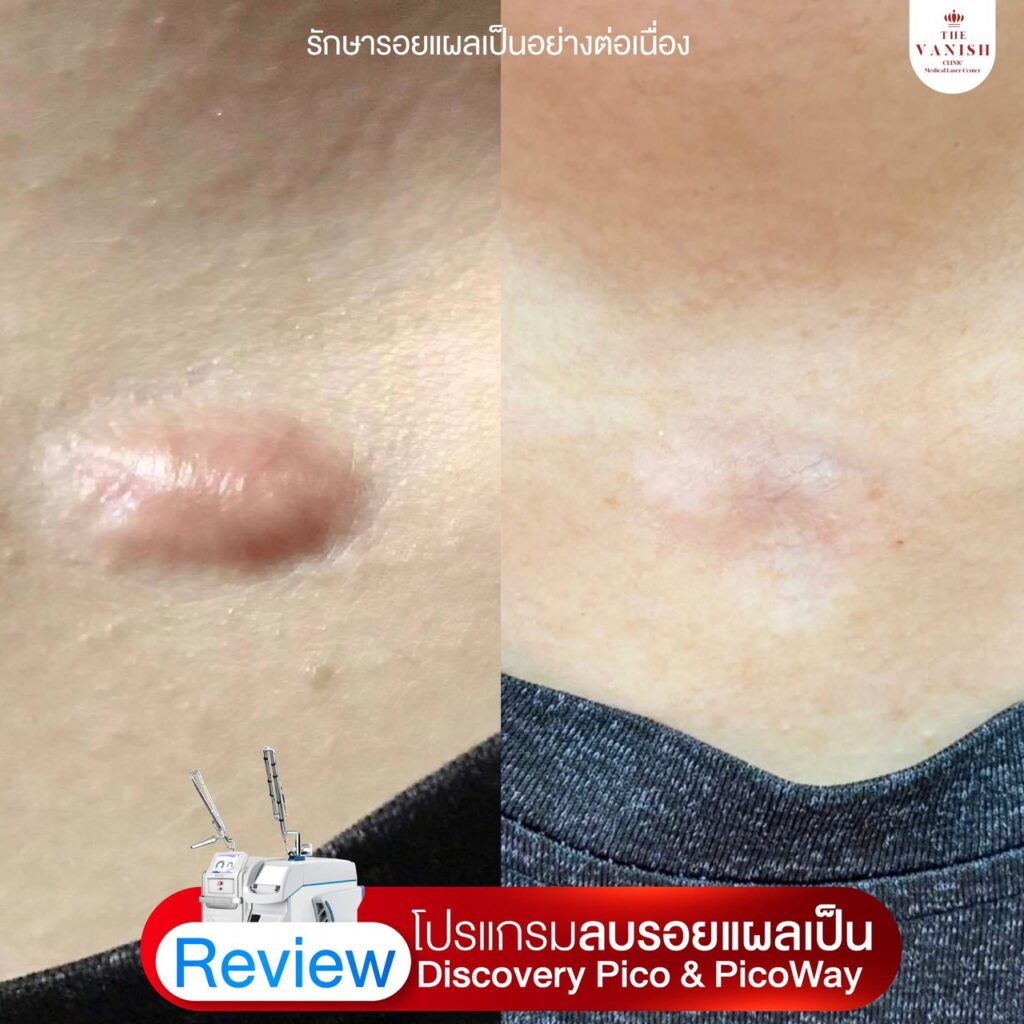
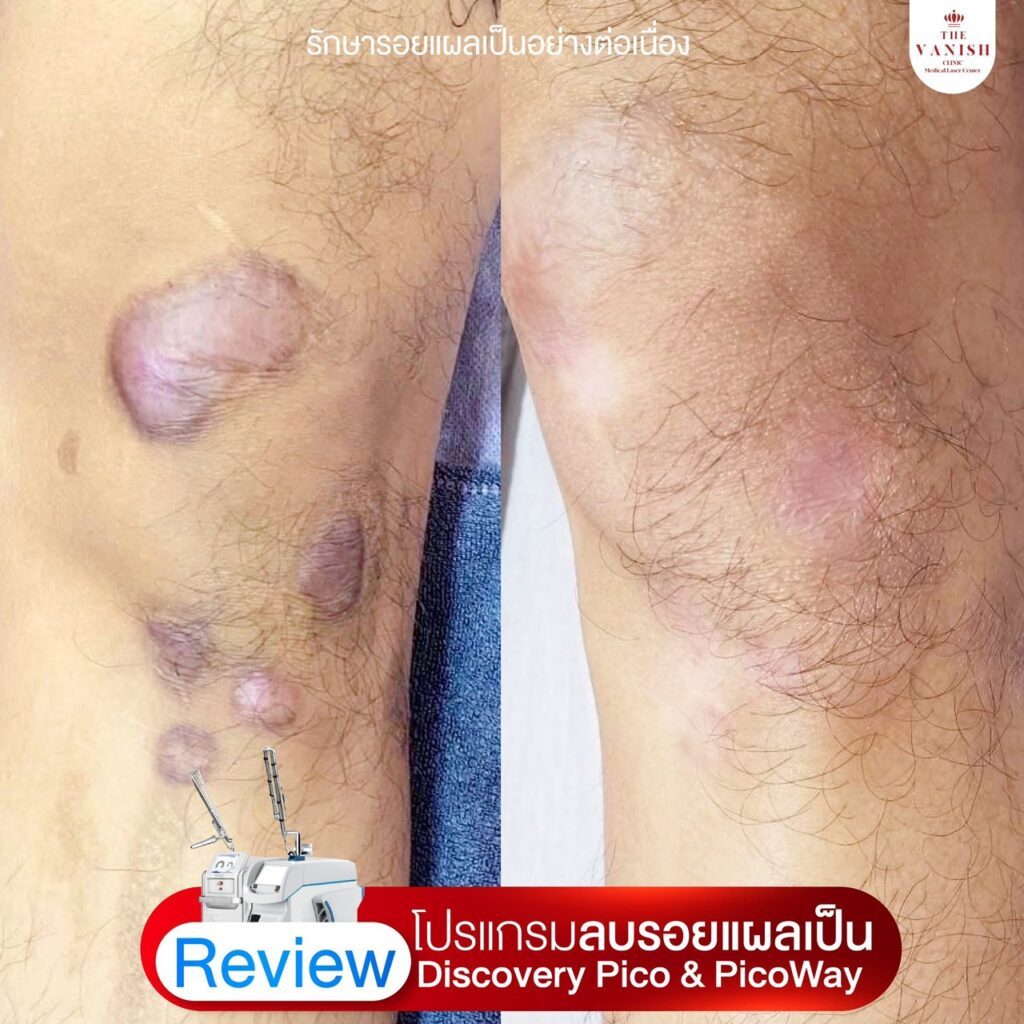
Picoway Laser is a Picosecond laser technology that delivers energy at extremely high speed over a very short period. This breaks scar-related pigment and abnormal tissue into smaller particles without causing heat to accumulate in the skin. It also stimulates the production of new collagen and elastin beneath the skin, making scars appear lighter and the skin smoother while reducing dark and red marks and creating a more even skin tone.
Does Picoway Laser Scar Treatment Hurt? Is Downtime Required, and When Will the Skin Recover?
During Picoway Laser treatment, the sensation may feel like a light snap from a rubber band against the skin. Pain levels vary by person and treatment area, but the discomfort is generally not unbearable. Slight skin redness may occur afterward and usually resolves on its own within a few hours to 1–2 days. Most people do not need downtime and can resume their normal daily activities.
Results depend on the scar’s characteristics and depth. Improvement generally begins to become visible after approximately 2–3 treatment sessions or more. Large scars may require several ongoing sessions as recommended by a doctor to achieve clearer, better results.
How Should You Prepare for Picoway Laser Scar Treatment?
Before undergoing Picoway Laser treatment to reduce scars, prepare as follows:
1. Consult a Specialist
Consulting a doctor who specializes in dermatology before Picoway Laser treatment is an essential step. The doctor will assess the skin thoroughly, including the scar’s type, appearance, and depth, to create a treatment plan tailored to the individual’s skin concerns.
2. Disclose Drug Allergies and Underlying Conditions
Providing information about previous drug allergies and existing medical conditions is essential for the safety of Picoway Laser treatment. Certain medications or health conditions may affect how the skin responds to the laser or increase the risk of unwanted side effects. For example, anyone with a history of herpes should inform the doctor in advance because the laser may trigger symptoms.
3. Avoid Strong Sunlight
It is very important to avoid prolonged direct sun exposure for at least 1–2 weeks before Picoway Laser treatment. Recently sunburned or tanned skin (sunburn) is more sensitive to laser light, potentially increasing the risk of post-treatment side effects such as hyperpigmentation or more severe irritation than usual.
4. Stop Using Exfoliating Products
Products containing exfoliating ingredients such as alpha hydroxy acids (AHA), beta hydroxy acids (BHA), or Retinoids should be discontinued for at least one week before Picoway Laser treatment to reduce the risk of skin irritation before the procedure.
5. Avoid Other Skin Treatments
To ensure the skin is ready for Picoway Laser treatment, avoid other skin treatments such as scrubs, facial massage, and procedures that may cause irritation for at least 3–5 days beforehand. These treatments may make the skin more delicate and affect how it responds to the laser.
Specialist Recommendations After Picoway Laser Scar Treatment
After Picoway Laser scar treatment, strictly follow the doctor’s recommendations below:
1. Apply a Cold Compress
For the first 2–3 days after Picoway Laser treatment, regularly apply a cold compress around the treatment area. For example, gently apply a cool gel pack or cold cloth for approximately 10–15 minutes every 2–3 hours. Cold compresses help reduce swelling and redness and relieve any heat sensation after laser treatment. Avoid placing ice directly on the treated area to prevent irritation.
2. Apply Moisturizer
Apply a gentle moisturizer that provides sufficient hydration to care for the skin after Picoway Laser treatment. Moisturizer helps reinforce the skin barrier, reduce dryness, and support faster recovery. Choose products without fragrance, alcohol, or potentially irritating ingredients.
3. Avoid Strong Sunlight
Protecting the skin from sunlight should not be overlooked after Picoway Laser treatment. Recently treated skin is more sensitive to UV radiation. Direct sun exposure may cause post-inflammatory hyperpigmentation or dark marks and may make the scar darken again. Avoid strong sunlight and consistently apply sunscreen with SPF 50 or higher every day, even when sunlight is not intense.
4. Avoid Exfoliating Products
After Picoway Laser treatment, avoid products containing exfoliating ingredients such as AHA, BHA, or Retinoids for at least 1–2 weeks or as directed by the doctor. Using these products too soon may cause irritation and inflammation and may interfere with skin recovery. Allow the skin to rest and recover fully before resuming exfoliating products.
5. Do Not Touch, Pick, or Scratch the Treatment Area
Touching, picking, or scratching the Picoway Laser treatment area may increase the risk of irritation, inflammation, or infection. This may adversely affect wound healing and the scar’s appearance. Allow the skin to recover naturally and avoid disturbing the treated area. Consult a doctor immediately if itching or any unwanted symptoms occur.
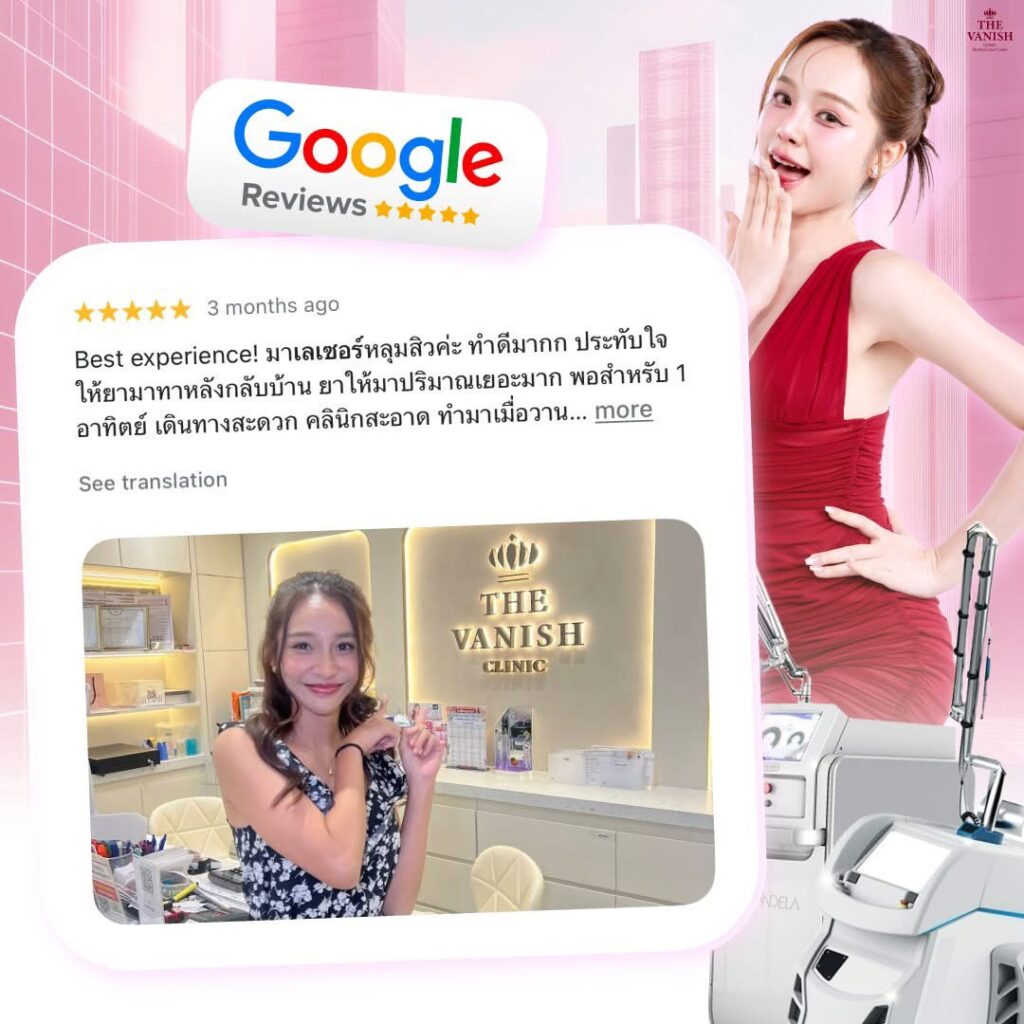
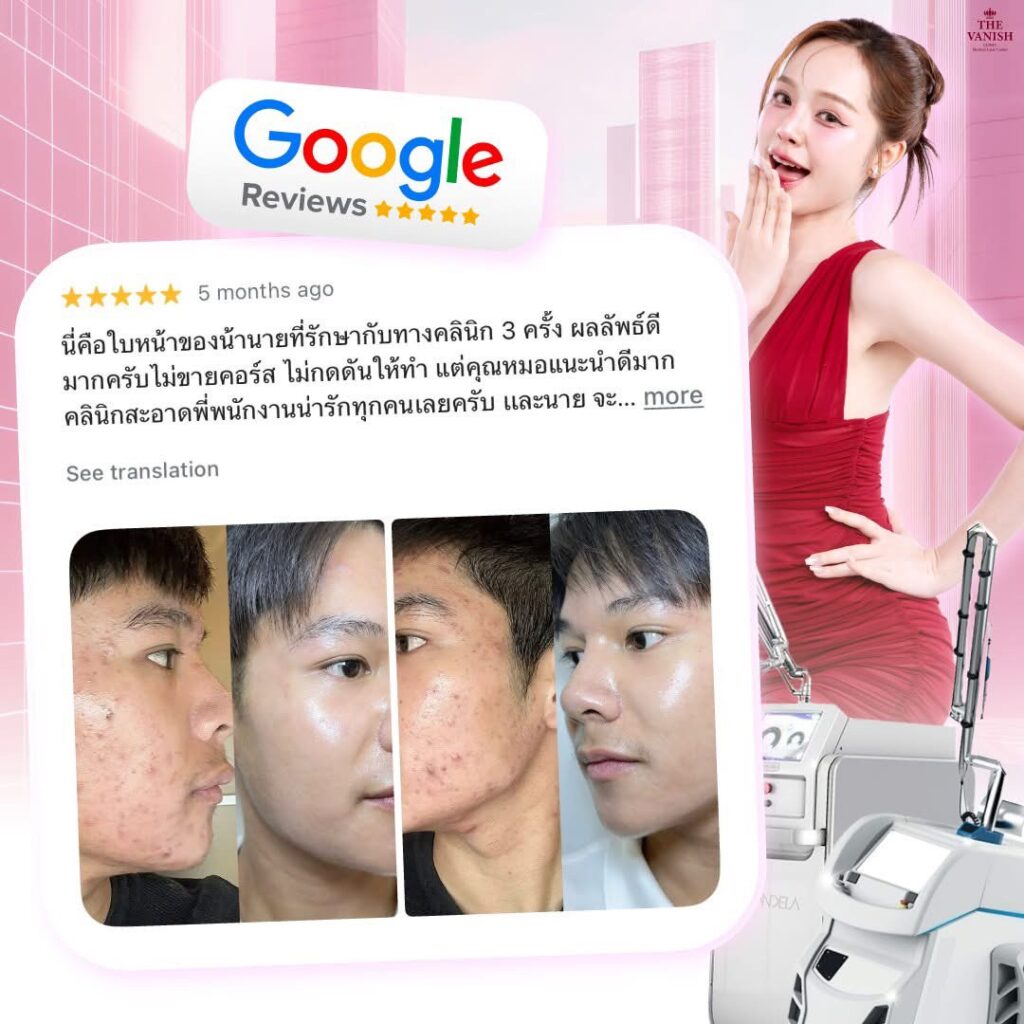
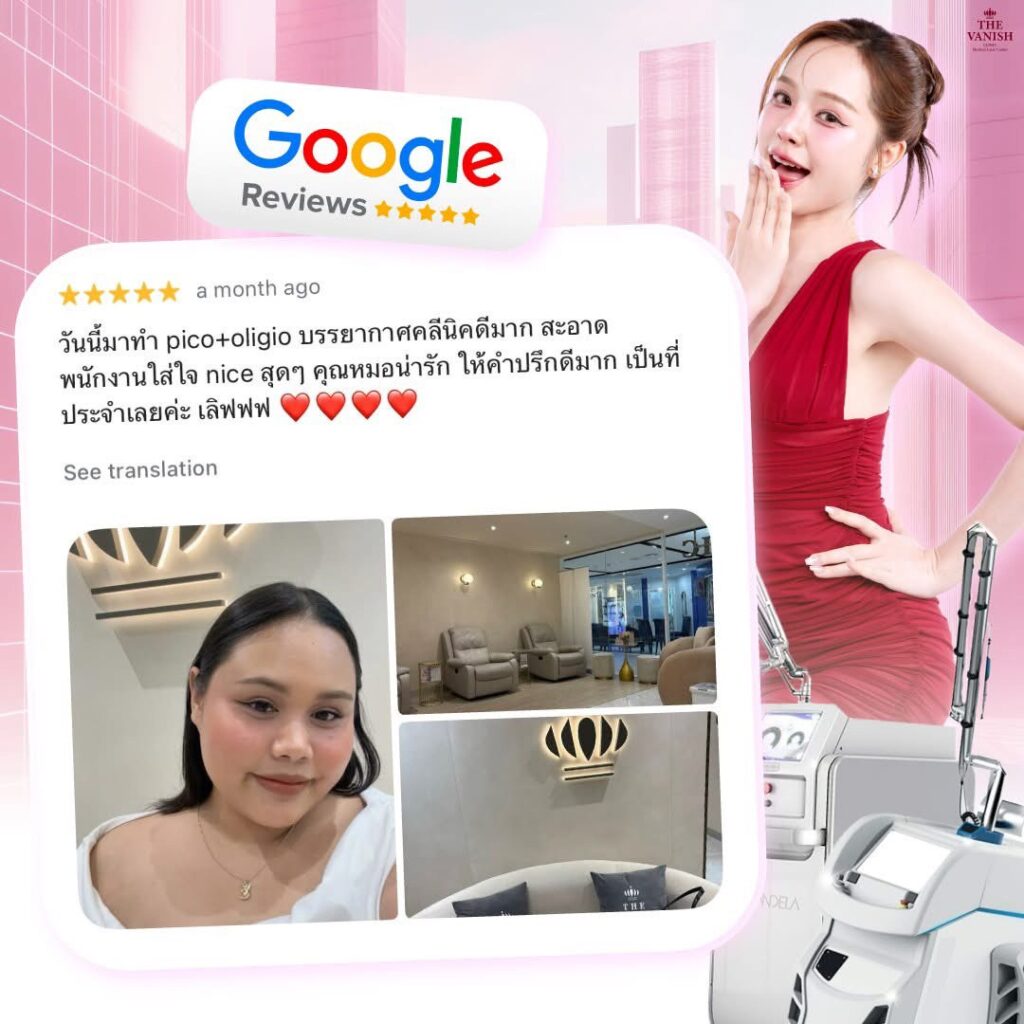
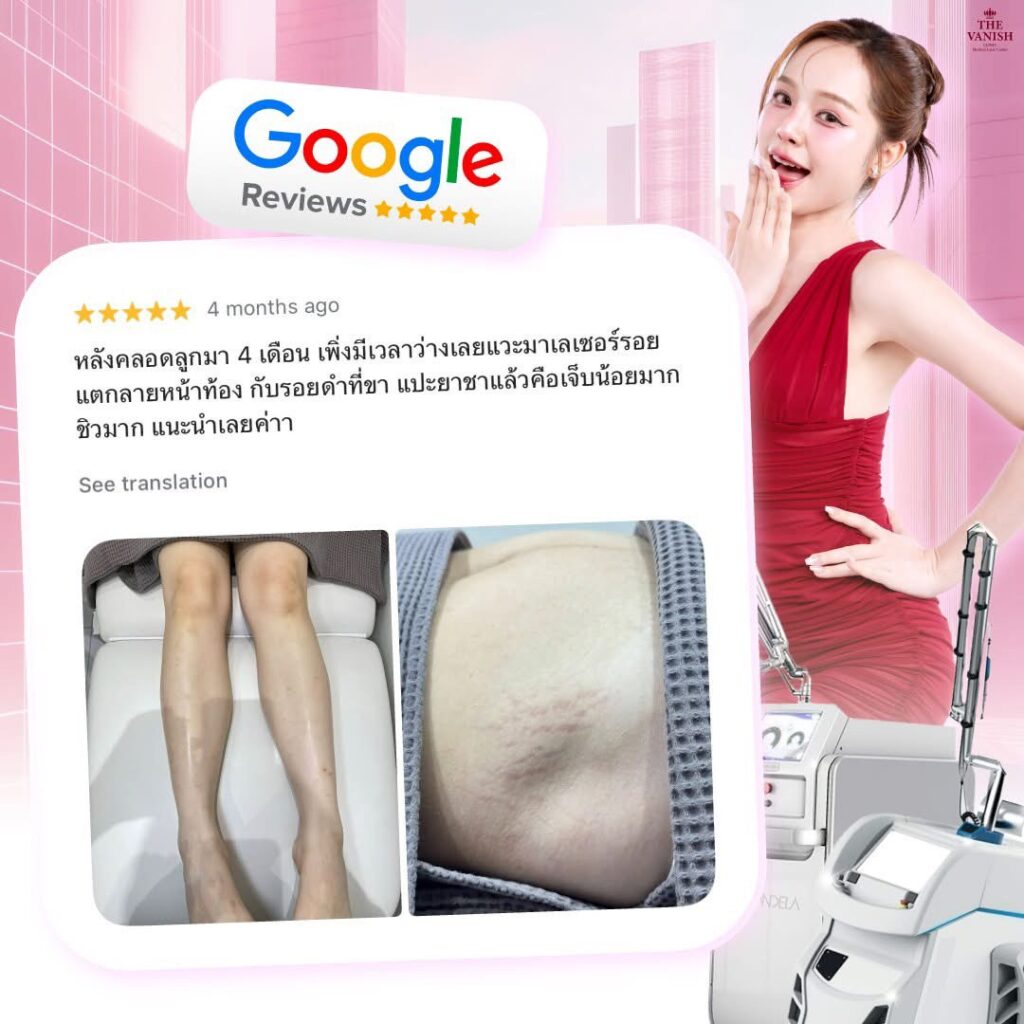
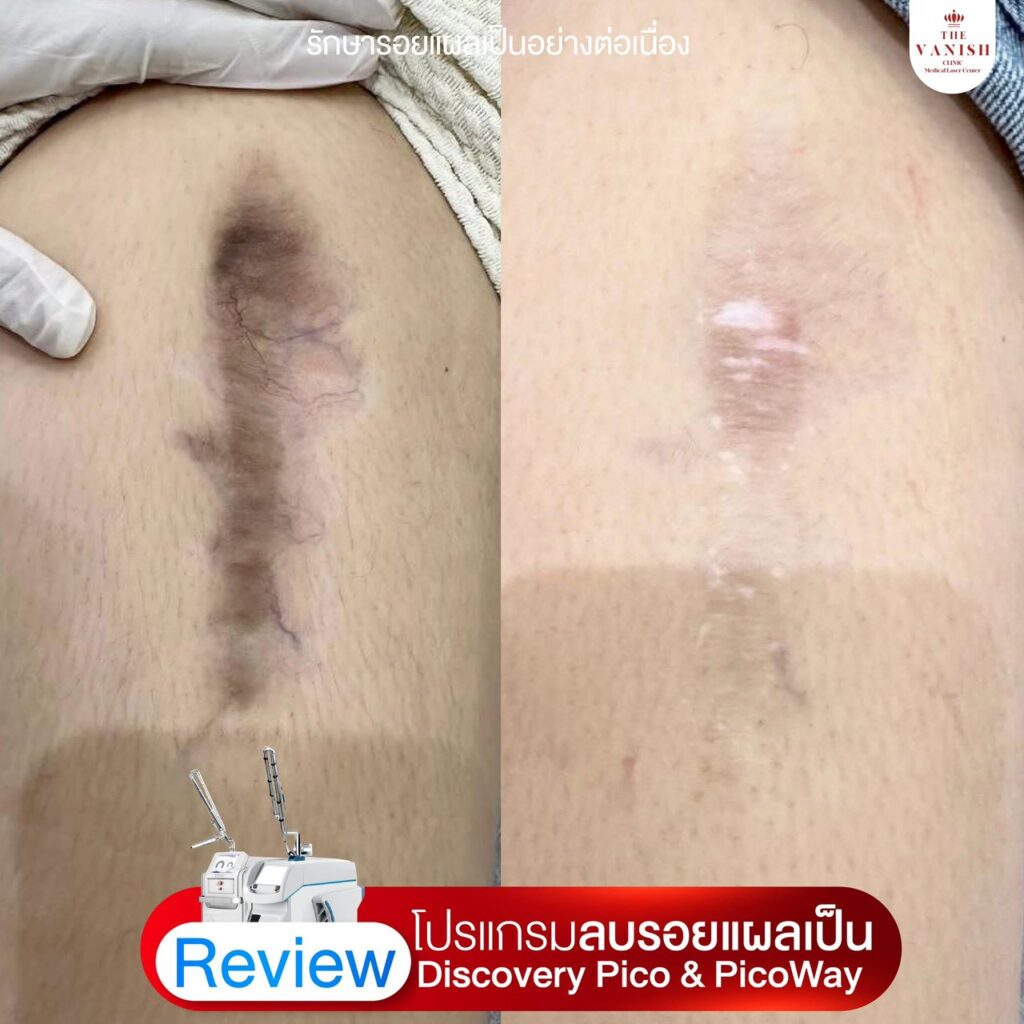
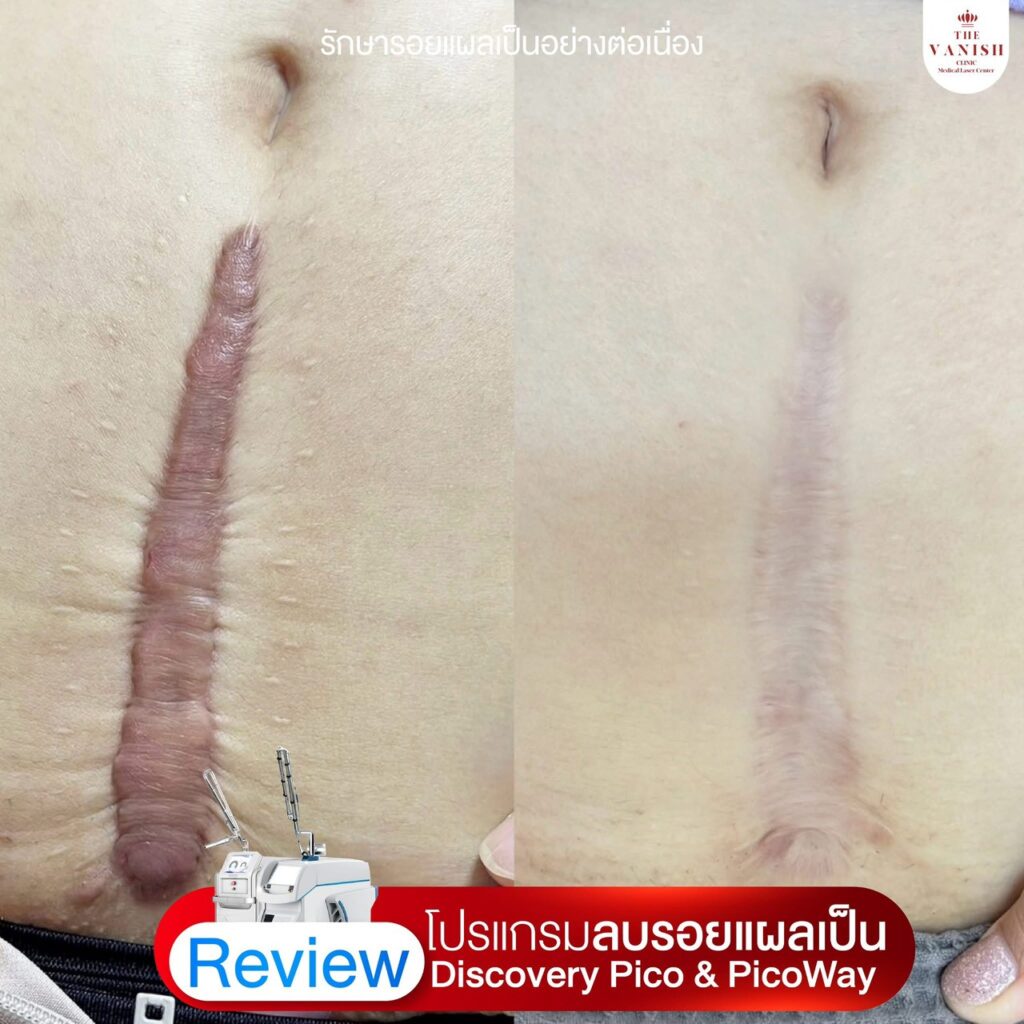
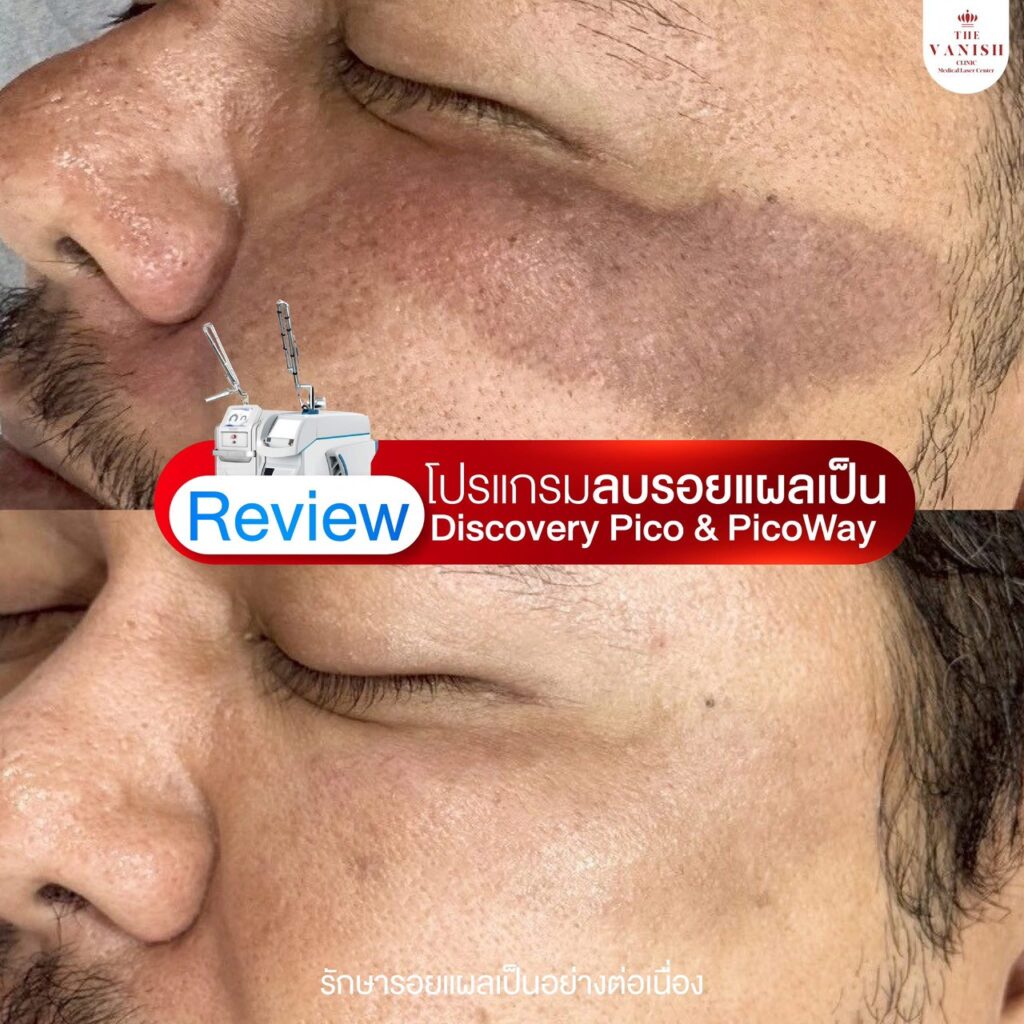
Picoway Laser Scar-Reduction Reviews from The Vanish Clinic
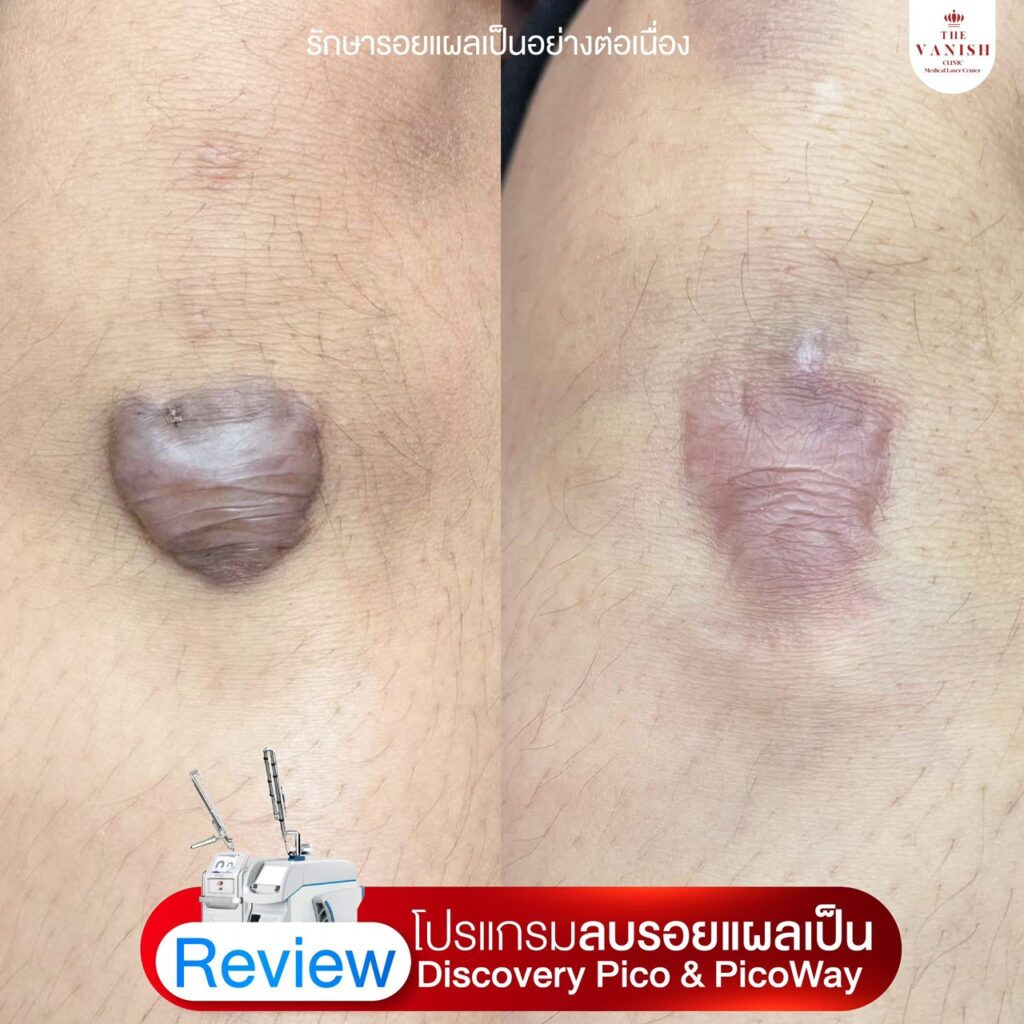
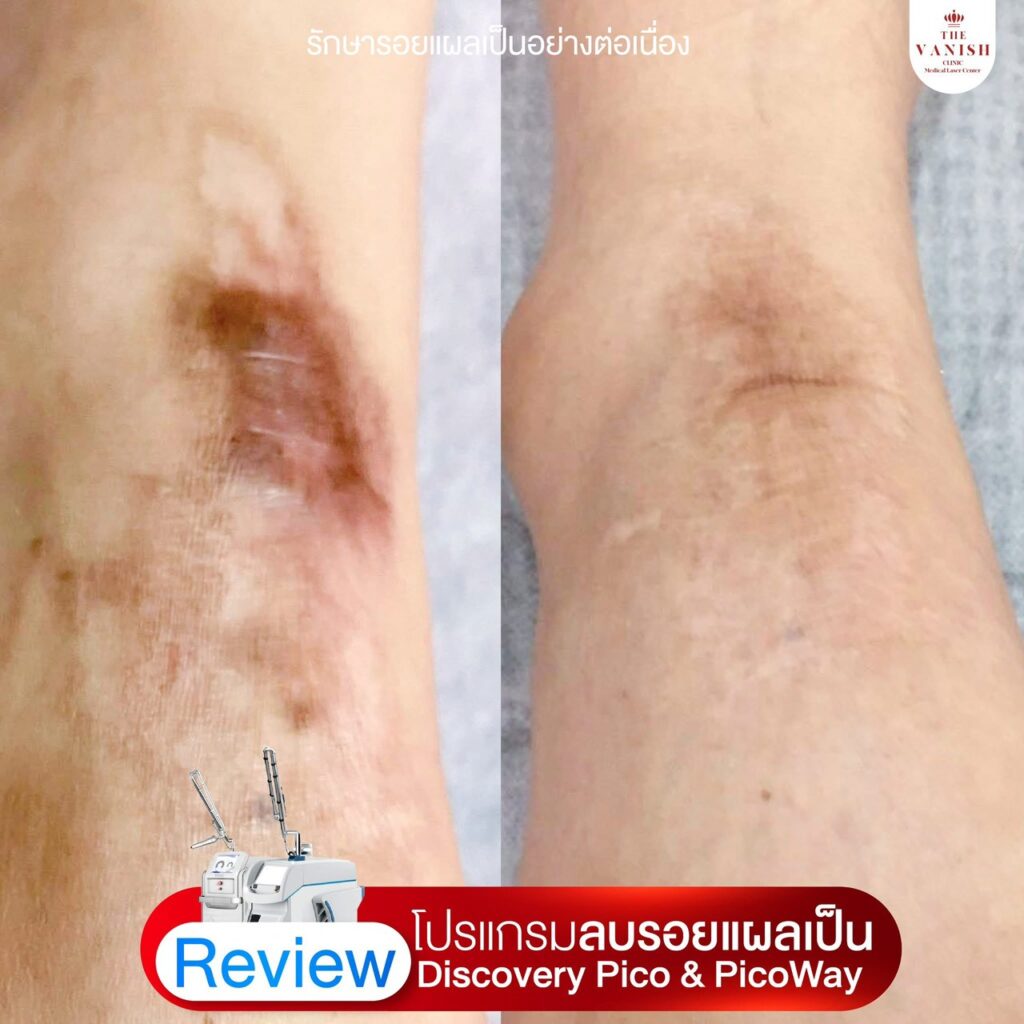
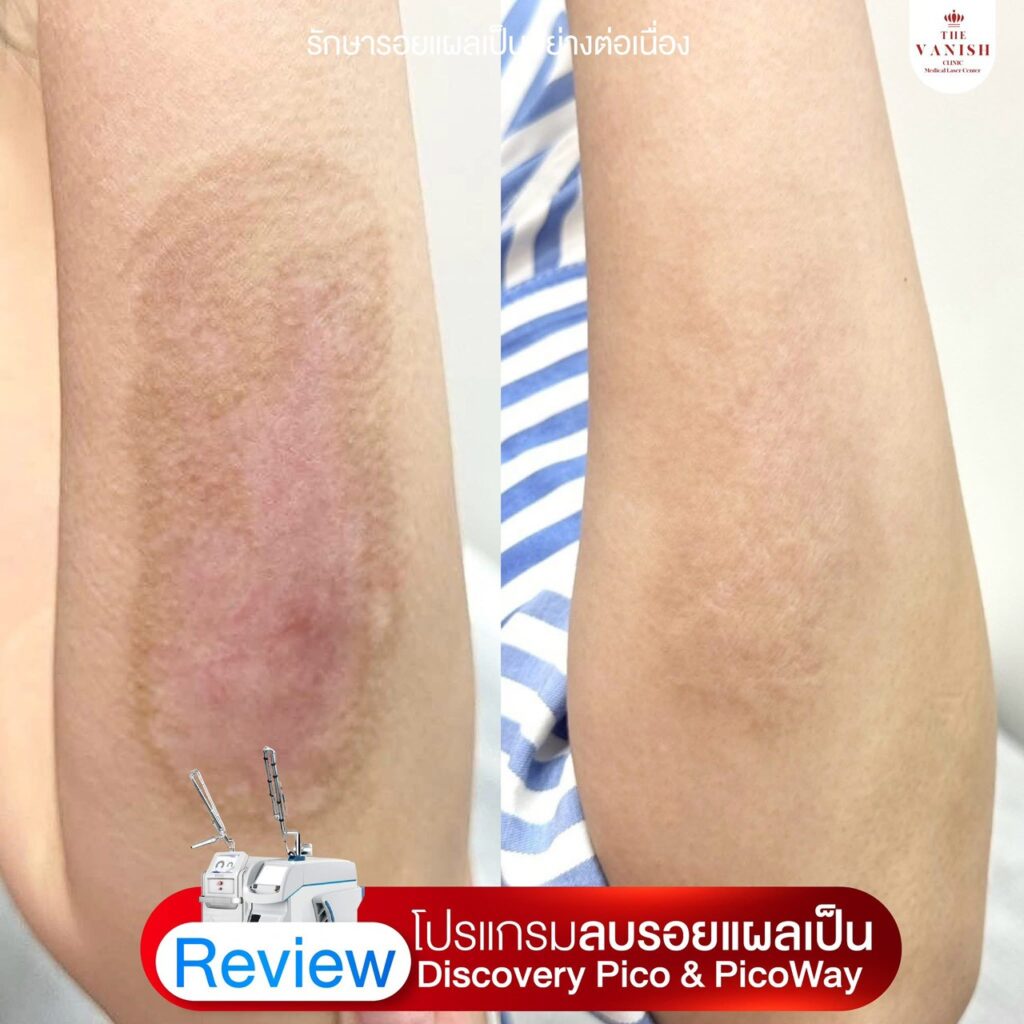
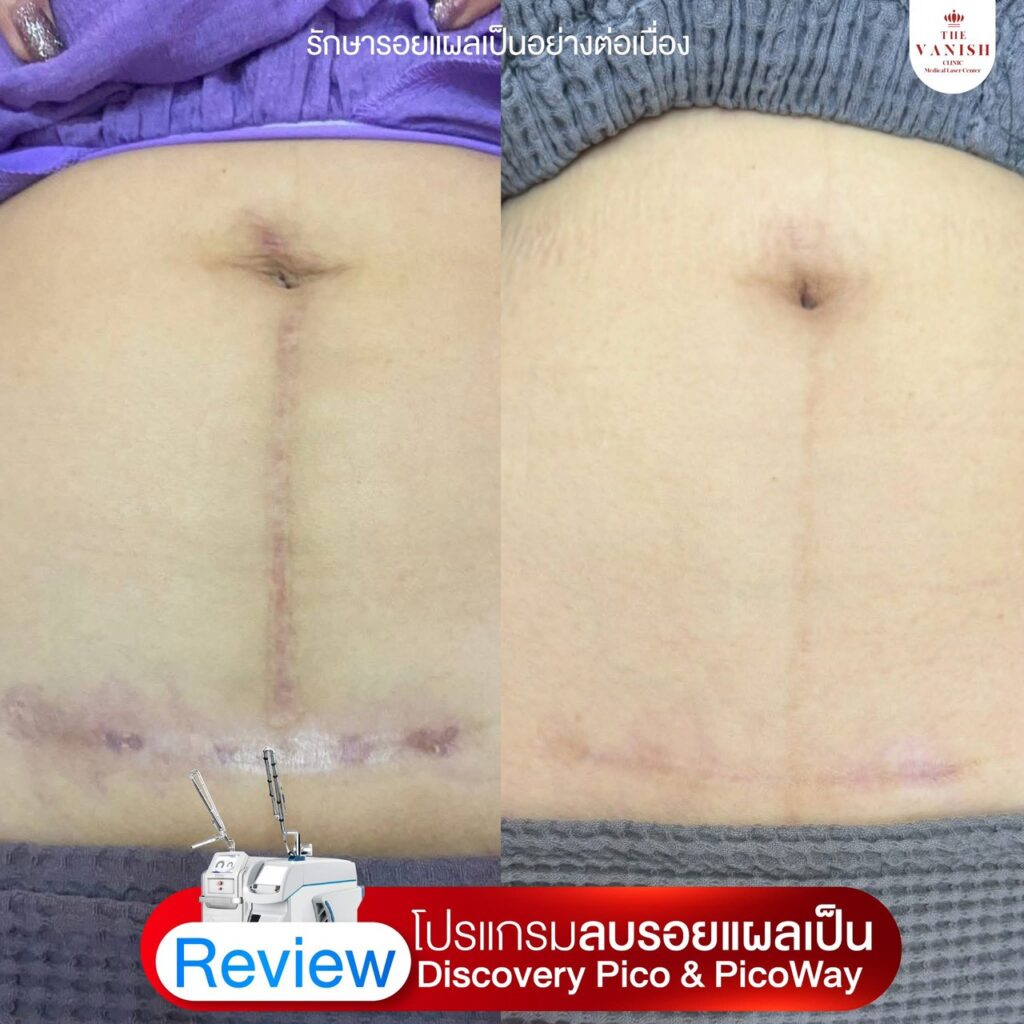
Summary: Picoway Laser Scar Reduction
Picoway Laser is an advanced, highly effective technology for reducing various types of scars. Its Picosecond energy delivery enables targeted treatment of skin concerns without causing substantial heat accumulation in the skin, resulting in fewer side effects and a short recovery period. Picoway Laser is therefore another option for those seeking a fast and effective way to reduce scars.
The Vanish Clinic understands the concerns associated with scars. Our team of specialist doctors and advanced Picoway Laser technology are available to provide consultations and design treatments suited to each person’s skin condition and scar concerns, helping restore confidence in the skin. Contact us for more information or to schedule a consultation.
Genuine Google Reviews from The Vanish Clinic Patients