




No matter how much you treat your acne, does it never completely clear? Have you tried every skincare brand, only for those stubborn breakouts to keep returning in the same places? Many people may overlook “what they put in their mouths,” even though diet is one of the main factors that can trigger inflammatory acne from the inside out. Understanding which foods may cause acne and how they disrupt the body’s systems is an important key to breaking the cycle of acne for good.
Why Does What You Eat Affect Facial Acne?
Cleanliness and hormones are not the only factors that affect the skin. Recent research clearly confirms that diet influences insulin levels and substances that promote inflammation in the body. When we eat certain foods, the body responds by producing excess oil and accelerating abnormal skin-cell turnover, eventually leading to clogged pores and inflammation. This article explores everything you need to know to adjust your eating habits and restore clearer-looking skin.
Which Acne-Triggering Foods Should You Watch Out For?
Knowing which food groups may pose a risk can help you make more mindful choices. The main groups that affect the skin include the following:
- Sugar and refined carbohydrates (High Glycemic Index): High-GI foods such as white bread, white rice, sweets, and soft drinks are rapidly digested and converted into blood sugar. This causes the body to release large amounts of insulin, which stimulates the skin’s production of oil (Sebum). Reference: Smith, R. N., Braue, A., Varigos, G. A., & Mann, N. J. (2007). The effect of a high-protein, low glycaemic-load diet on acne vulgaris and the fatty acid composition of skin surface triglycerides. Journal of Dermatological Science, 50(1), 41-52.
- Cow’s milk products (Dairy Products): Cow’s milk contains naturally occurring hormones and chemicals involved in a cow’s growth, which may disrupt hormonal balance in humans. Milk also stimulates the release of IGF-1, which plays an important role in the development of inflammatory acne. Reference: Adebamowo, C. A., Spiegelman, D., Danby, F. W., Frazier, A. L., Willett, W. C., & Holmes, M. D. (2005). High school dietary dairy intake and teenage acne. Journal of the American Academy of Dermatology, 52(2), 207-214.
- Junk food and trans fats (Fast Food): French fries, fried chicken, and burgers are often high in omega-6. When the body has more omega-6 than omega-3, this can contribute to inflammation throughout the body, including acne. Reference: Burris, J., Rietkerk, W., & Woolf, K. (2013). Relationships of self-reported dietary factors and perceived acne severity in a cohort of New York City adults. Journal of the Academy of Nutrition and Dietetics, 113(3), 384-391.
Foods That “May” Cause Acne in Some People
Not everyone who eats these foods will develop acne, but they may act as triggers in people with sensitive or acne-prone skin.
- Whey Protein: For fitness enthusiasts, concentrated whey protein may stimulate insulin release and signaling substances that cause the sebaceous glands to work harder. Reference: Cengiz, F. P., Cevirgen Cemil, B., Emiroglu, N., Gulsel Bahali, A., & Onsun, N. (2017). Acne vulgaris in young male bodybuilders: A growing problem. Cutaneous and Ocular Toxicology, 36(4), 332-335.
- Chocolate: Although there is still no completely definitive conclusion, some research has found that concentrated dark chocolate may increase the immune system’s response to acne-causing bacteria, making inflammation more likely in some people. Reference: Block, S. G., Valins, W. E., Caperton, C. V., & Berman, B. (2011). Exacerbation of facial acne vulgaris after consuming pure chocolate. Journal of the American Academy of Dermatology, 65(4), e114-e115.
- Strongly flavored and spicy foods: Very spicy foods may dilate blood vessels and stimulate the sweat and sebaceous glands.
The Scientific Mechanisms: How Can Food Change the Skin and Cause Acne?
Food does not affect acne because it is unclean, but through biochemical processes within the body, as follows:
- Insulin and IGF-1 Pathway: When high-GI foods are consumed, the body releases Insulin and Insulin-like Growth Factor-1 (IGF-1). These substances stimulate a chain reaction known as mTORC1, which signals the sebaceous glands to produce more oil and accelerates the proliferation of skin cells (Keratinocytes), resulting in clogged pores.
- Hormonal Disruption: Certain foods raise levels of Androgen, a sex hormone that directly regulates the size and activity of the sebaceous glands.
- Chronic Inflammation: Consuming large amounts of sugar and unhealthy fats causes the release of Cytokines, inflammatory mediators that can turn ordinary clogged pores into inflammatory acne that is swollen, red, and painful.
Foods to Avoid vs. Foods That Help Reduce Acne
Start adjusting your meals today to reduce inflammation and restore balance for clear, healthy-looking skin from within.
| Food Group | Avoid (May Trigger Acne) | Choose (For Less Acne and Clearer Skin) |
| Carbohydrates | White rice, white bread, rice vermicelli | Brown rice, quinoa, whole-wheat bread |
| Protein | Fatty meat, whey protein | Marine fish (omega-3), tofu, lentils |
| Sweets/Beverages | Soft drinks, bubble milk tea, sweets | Berries, water, green tea |
| Fats | Common vegetable oils, margarine | Avocado, olive oil, almonds |
How to Eat Without Triggering Acne (Anti-Acne Diet Guide)
Changing your eating habits is not simply about “giving up” the foods you enjoy. It means choosing the “right” foods to build a foundation for healthy skin from within. The detailed principles are as follows:
1. Choose Low-GI Carbohydrates (Low Glycemic Load)
Replace white rice and refined flour with whole grains such as brown rice, oats, or quinoa. These foods release sugar into the bloodstream gradually, helping prevent insulin spikes that can overstimulate the sebaceous glands.
Reference: Reynolds, A. N., Akerman, A. P., & Mann, J. (2020). Dietary fibre and whole grains in diabetes management and prevention. Nature Reviews Endocrinology, 16(3), 139-144.
2. Increase Omega-3 Fatty Acids
Omega-3 is especially noted for its “anti-inflammatory” properties. It inhibits the production of Cytokines that cause acne to become swollen and red. Recommended sources include marine fish (salmon and sardines), Flaxseed, and walnuts.
Reference: Jung, J. Y., Kwon, H. H., Hong, J. S., Yoon, J. Y., Park, M. S., Jang, M. Y., & Suh, D. H. (2014). Effect of dietary supplementation with omega-3 fatty acid and gamma-linolenic acid on acne vulgaris: A randomised, double-blind, controlled trial. Acta Dermato-Venereologica, 94(5), 521-525.
3. Add Zinc and Antioxidant Vitamins
Zinc plays an important role in killing bacteria and regulating oil production, while vitamins A and E support skin-cell turnover and protect the skin from damage. They are abundant in pumpkin seeds, chicken eggs, and dark leafy greens.
Reference: Yee, B. E., Richards, P., Sui, J. Y., & Marsch, A. F. (2020). Serum zinc levels and efficacy of zinc treatment in acne vulgaris: A systematic review and meta-analysis. Dermatologic Therapy, 33(6), e14252.
4. Balance the Gut Microbiome (Gut-Skin Axis)
Recent research has found a direct relationship between gut health and skin health. Eating foods containing Probiotics, such as plain yogurt, kimchi, or kombucha, may help reduce inflammation throughout the body and lead to less acne.
Reference: Bowe, W. P., & Logan, A. C. (2011). Acne vulgaris, probiotics and the gut-brain-skin axis – back to the future? Gut Pathogens, 3(1), 1-11.
Article Summary
Avoiding foods that may cause acne is only the beginning of caring for yourself from within. For existing acne or deep, lingering acne marks, dietary changes alone may not be enough.
Consulting a physician who specializes in skin care can help identify the causes of your acne more precisely, as everyone’s skin has a different level of sensitivity. At The Vanish Clinic, we offer innovations designed to address acne comprehensively according to each person’s acne type.

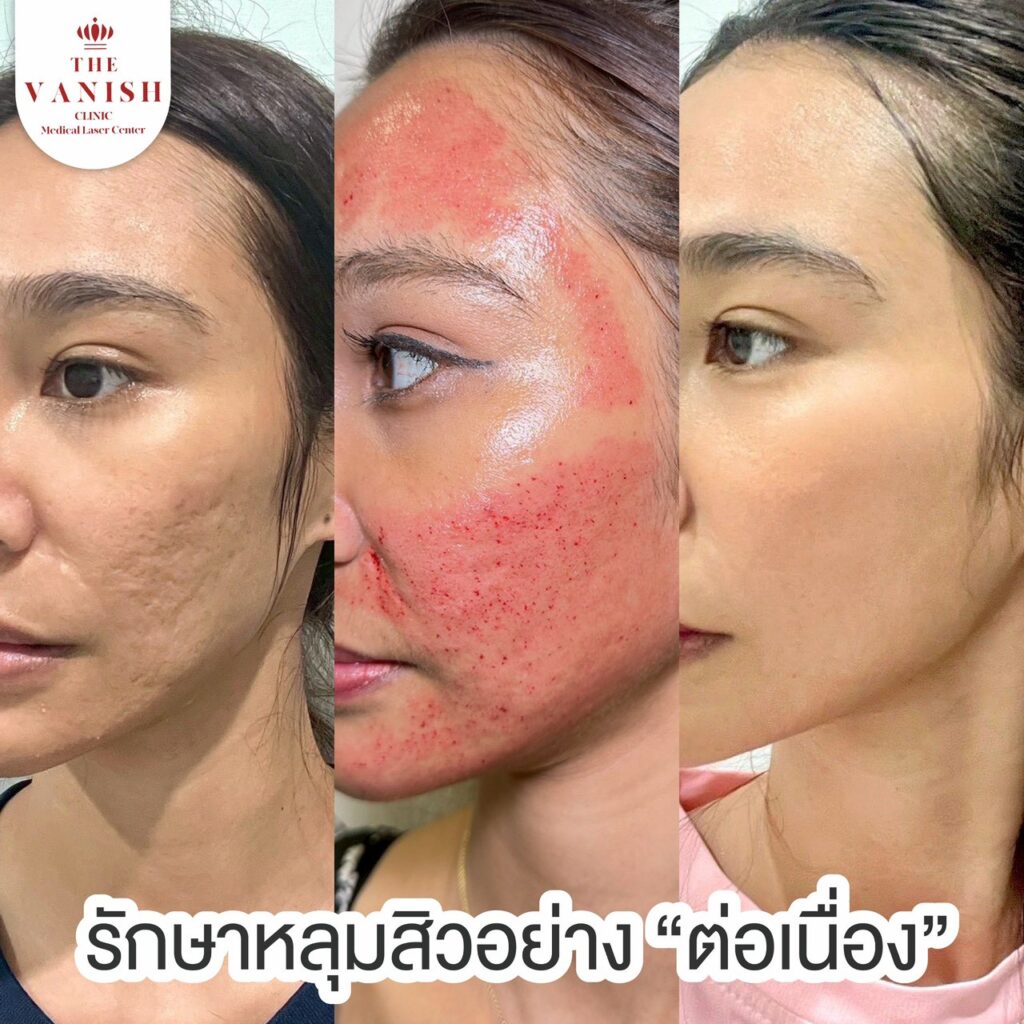
- Inflammatory and Comedonal Acne Treatment Program: A physician assesses the skin and provides treatment based on the patient’s actual symptoms.
- Vanish Clear / Dual Yellow: Laser technology that helps kill acne-causing bacteria, reduce oiliness, and visibly reduce red and dark acne marks from the first few sessions.
- Pico Laser / Discovery Pico: For people with enlarged pores or acne scars after their acne has cleared.
If you want to end the acne cycle for good, combining dietary changes with treatment using modern technology may offer the most fitting solution.
Interested in discussing acne or acne marks? Contact The Vanish Clinic and let us provide an initial assessment of your skin for effective and safe treatment.
Reviews of PICO Laser and Discovery PICO Procedures at The Vanish Clinic
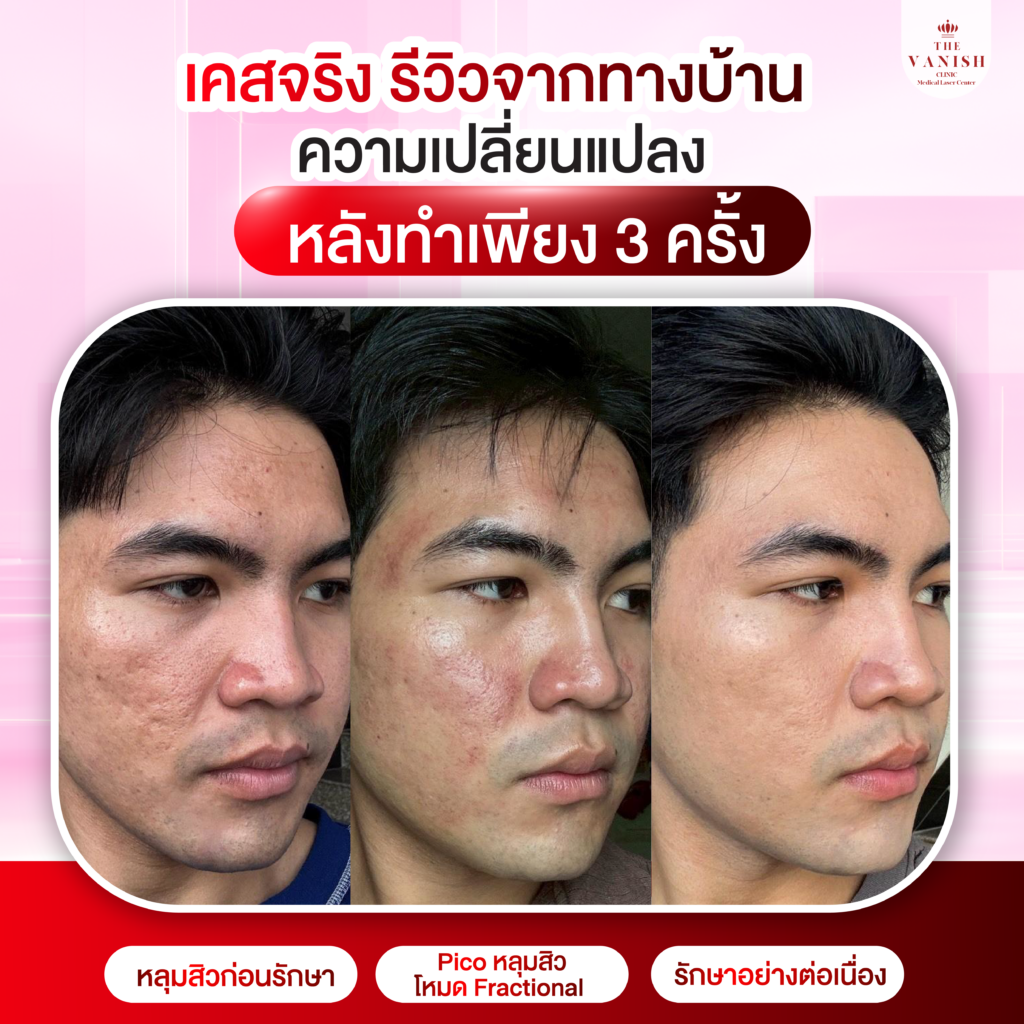
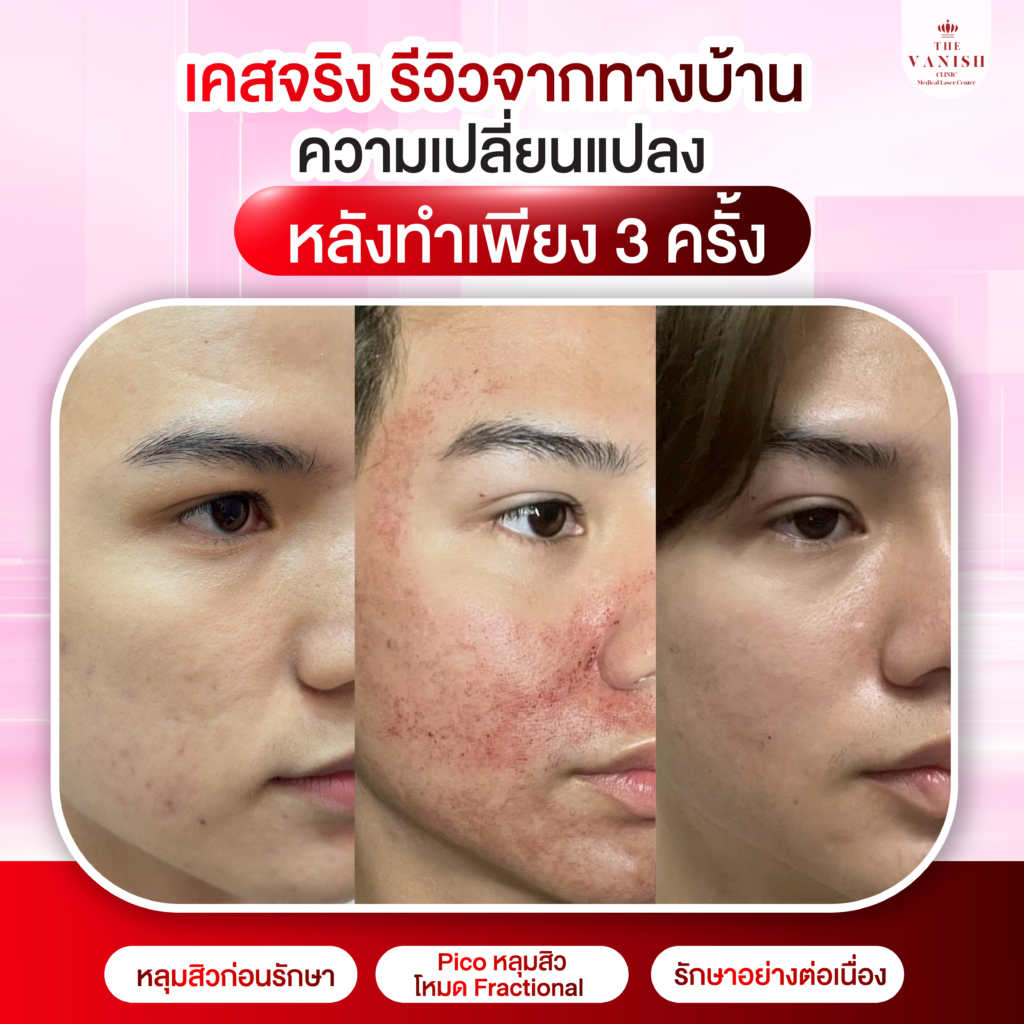
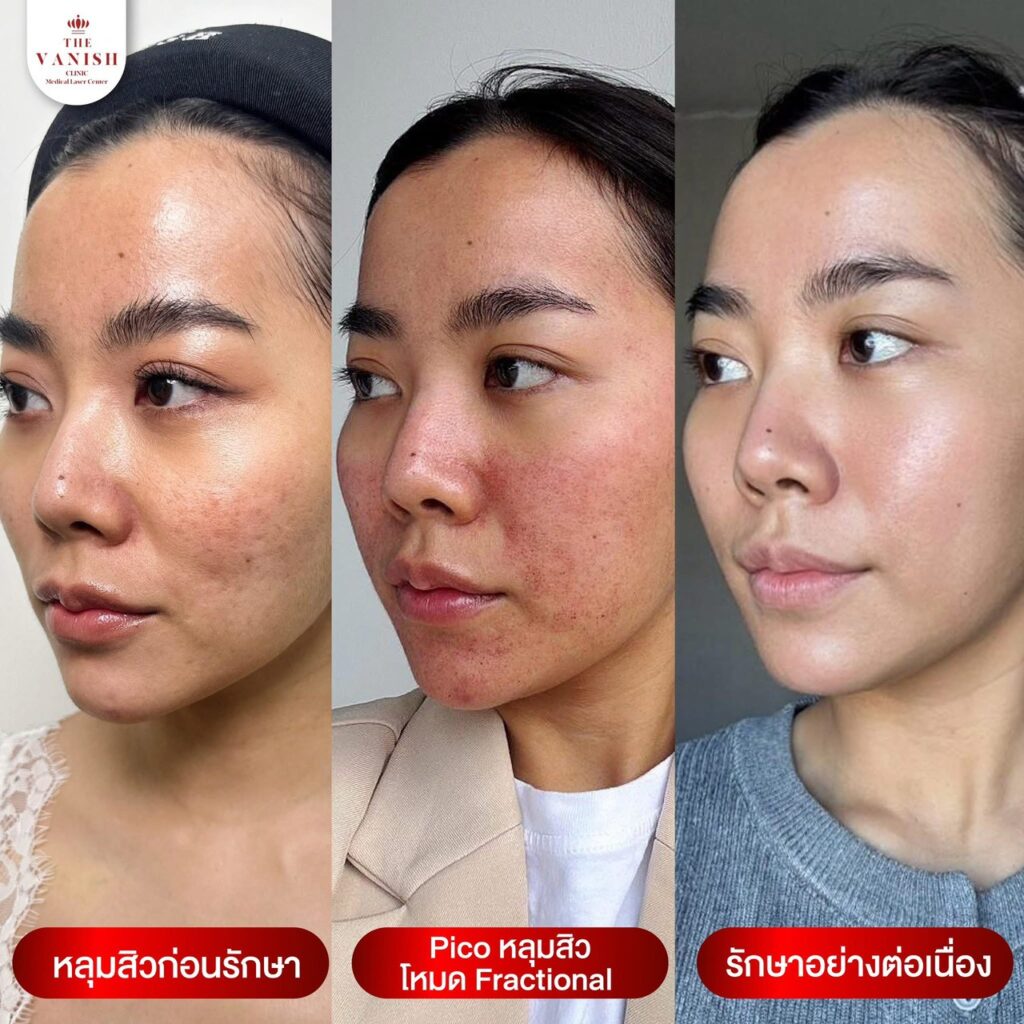
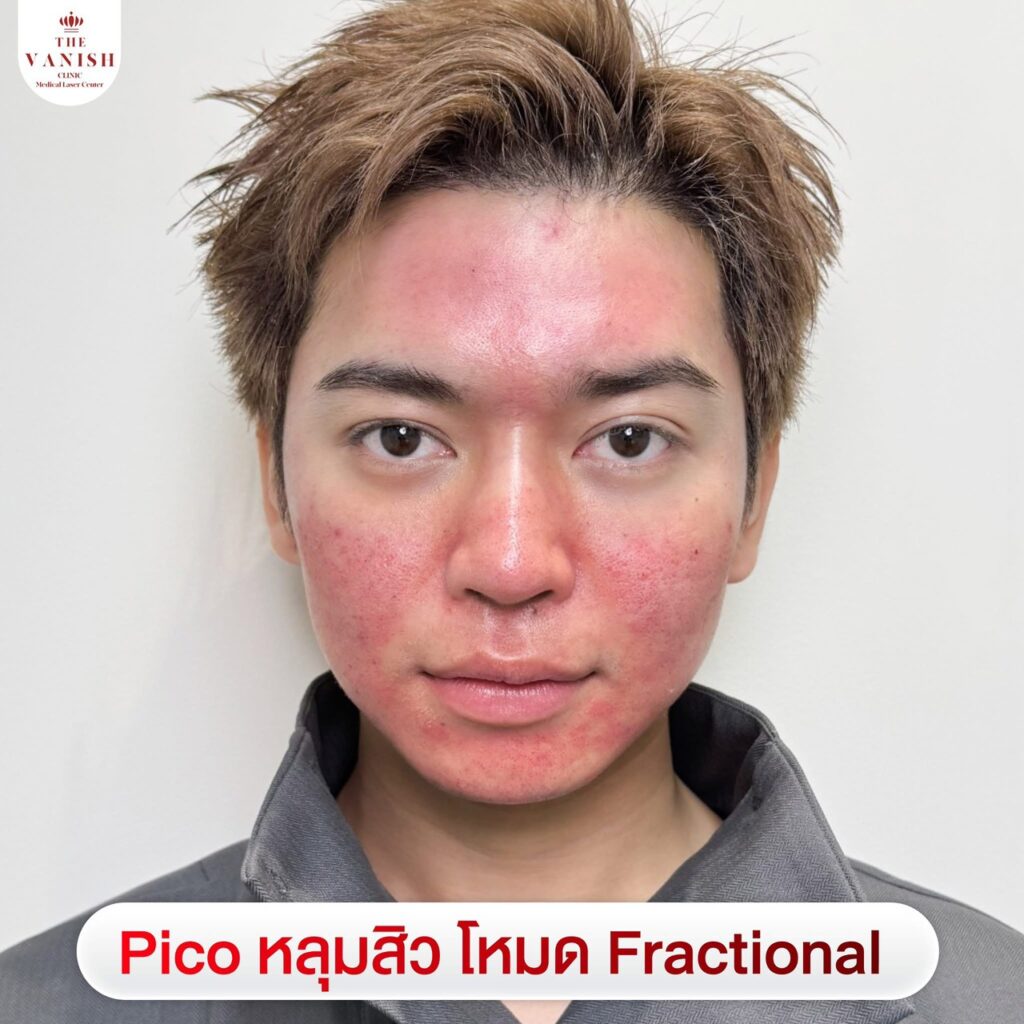
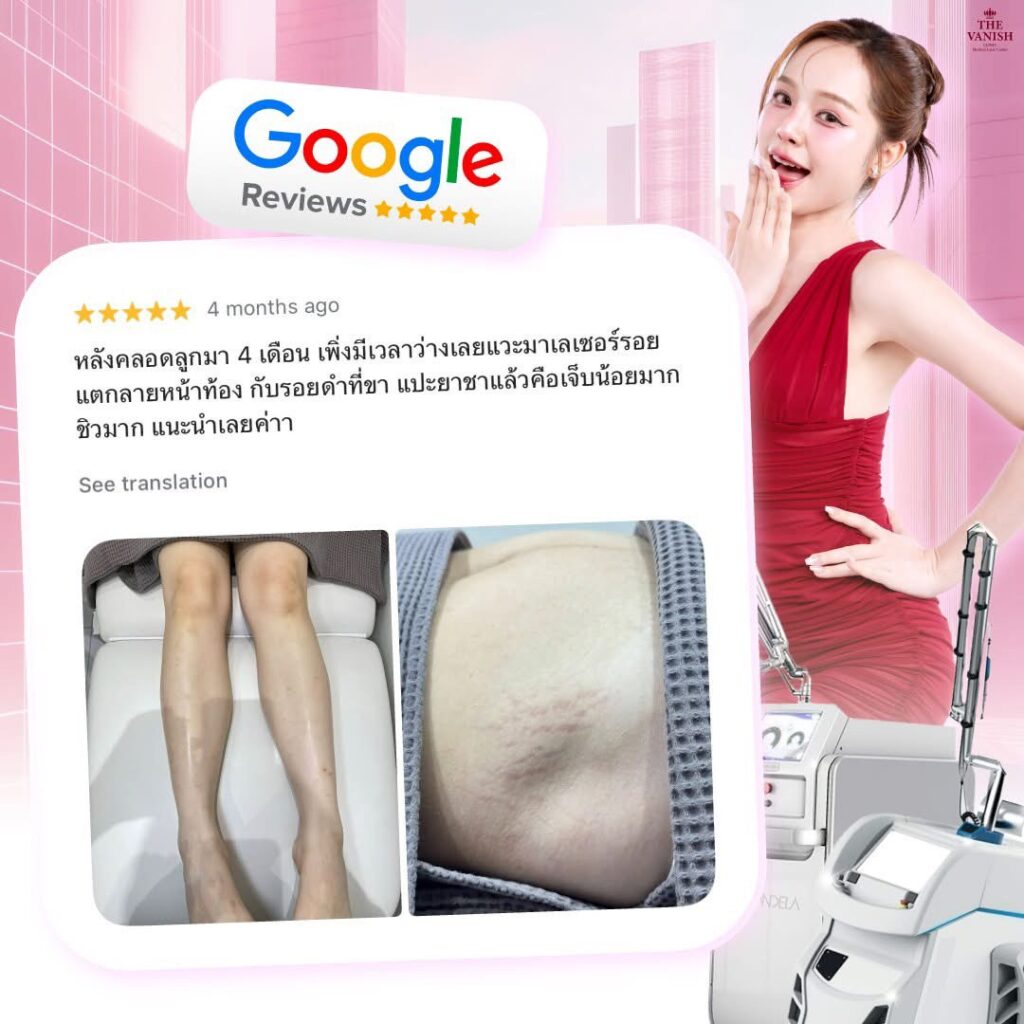
Genuine Google Reviews from Patients of The Vanish Clinic