



Pustules are a frustrating problem that many people want to get rid of as quickly as possible. One common question is: “Can you pop a pustule?” This article provides a medically informed answer and takes an in-depth look at the causes, characteristics, and proper ways to manage pustules to prevent them from spreading and leaving difficult-to-treat scars, helping you restore smooth, clear-looking skin safely.
What Causes Inflamed Pustules?
A pustule develops when a hair follicle and sebaceous gland become inflamed. The main factors are a buildup of oil (Sebum) and dead skin cells, which provides a food source for C. acnes bacteria. When the immune system sends white blood cells (Neutrophils) to fight the bacteria, white or yellow pus forms beneath the skin, indicating infection and inflammation.
What Do Inflamed Pustules Look Like?
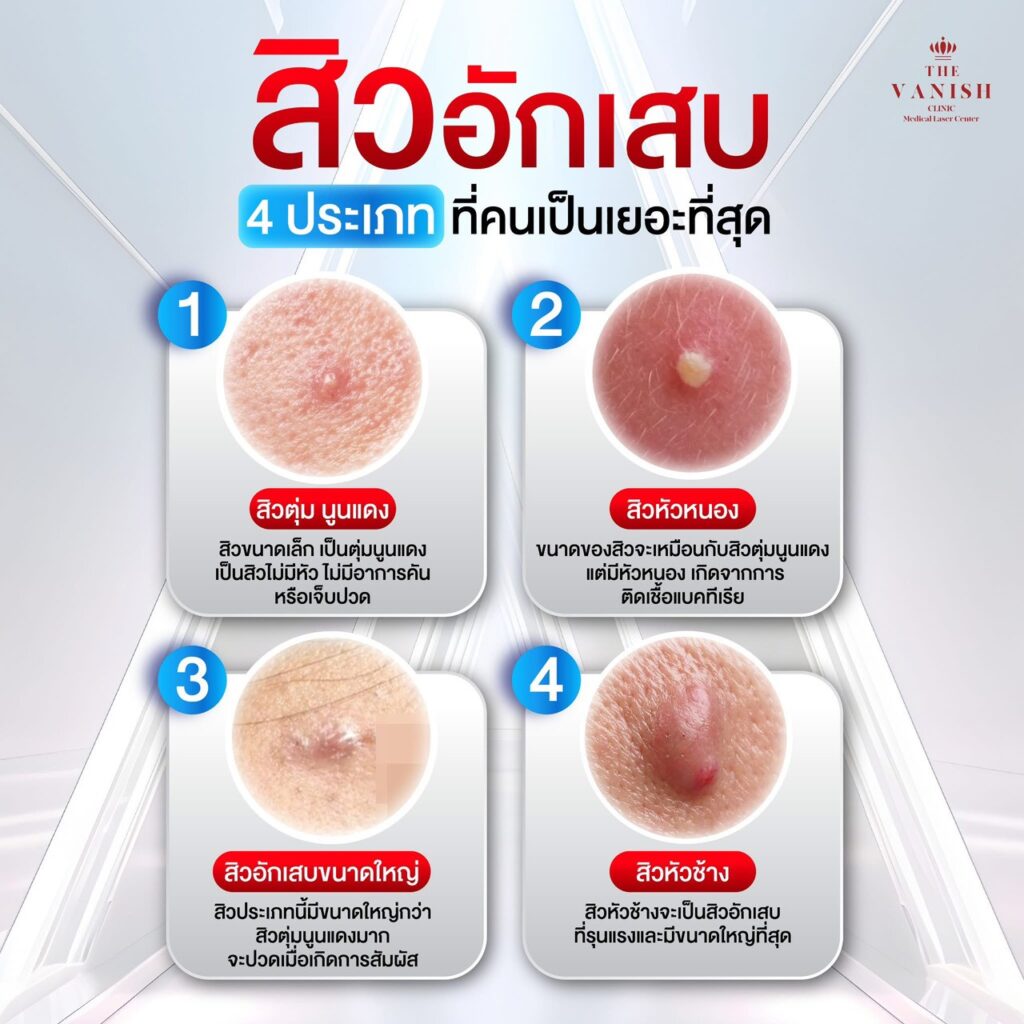
The clearest sign is a pimple with a red, inflamed base and a cloudy white or yellow spot in the center (Pus head). It contains pus, bacteria, and cellular debris. It is often tender or throbbing when touched, unlike a typical comedone without a pus-filled head or a large, firm, deeper-seated acne nodule.
Factors That Cause Inflamed Pustules
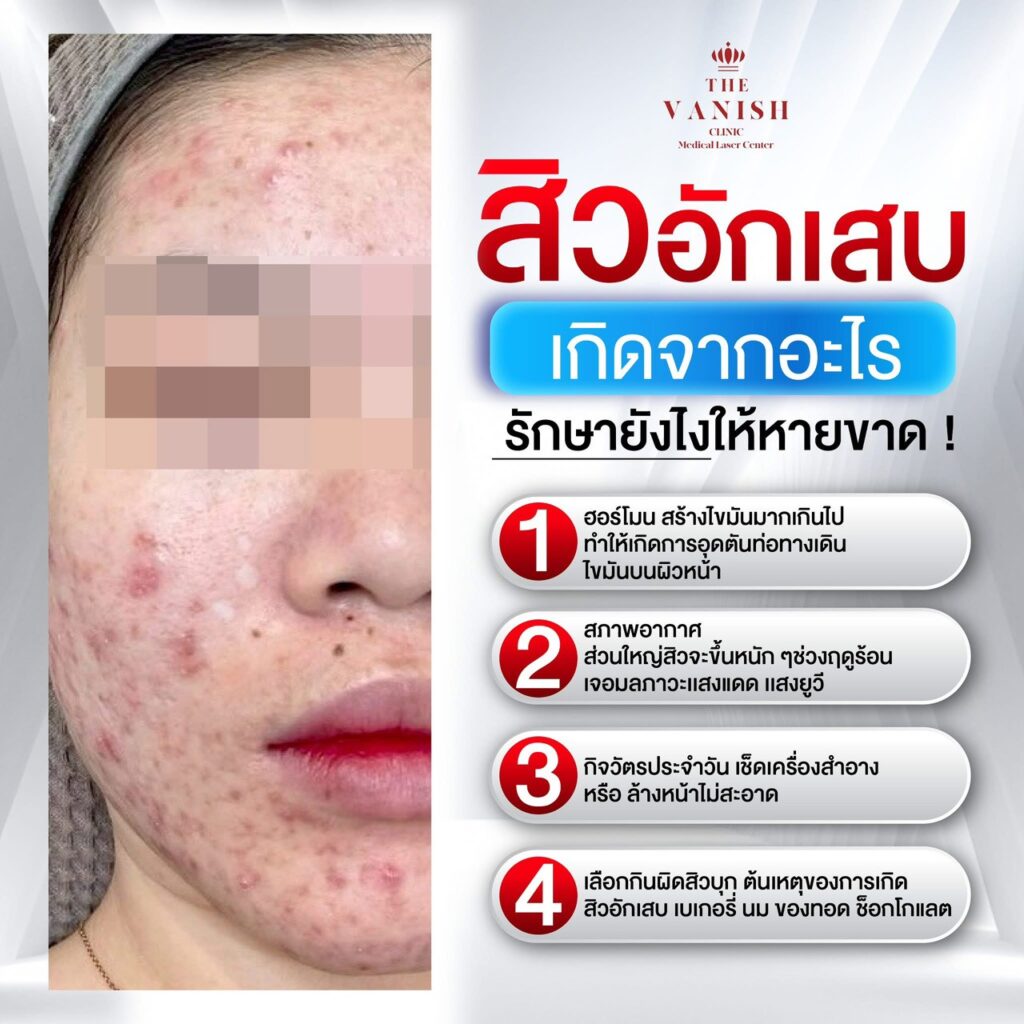
In addition to bacteria, major triggers include hormonal changes, such as fluctuations in androgens, which stimulate the sebaceous glands to produce excess oil. A buildup of dirt, pollution, pore-clogging (Comedogenic) cosmetics, stress, and insufficient sleep can also weaken the skin barrier and make inflammation and pustules more likely to develop.
Where Do Inflamed Pustules Commonly Appear?
- Face, especially the T-Zone, cheeks, and chin
- Back
- Chest
- Shoulders
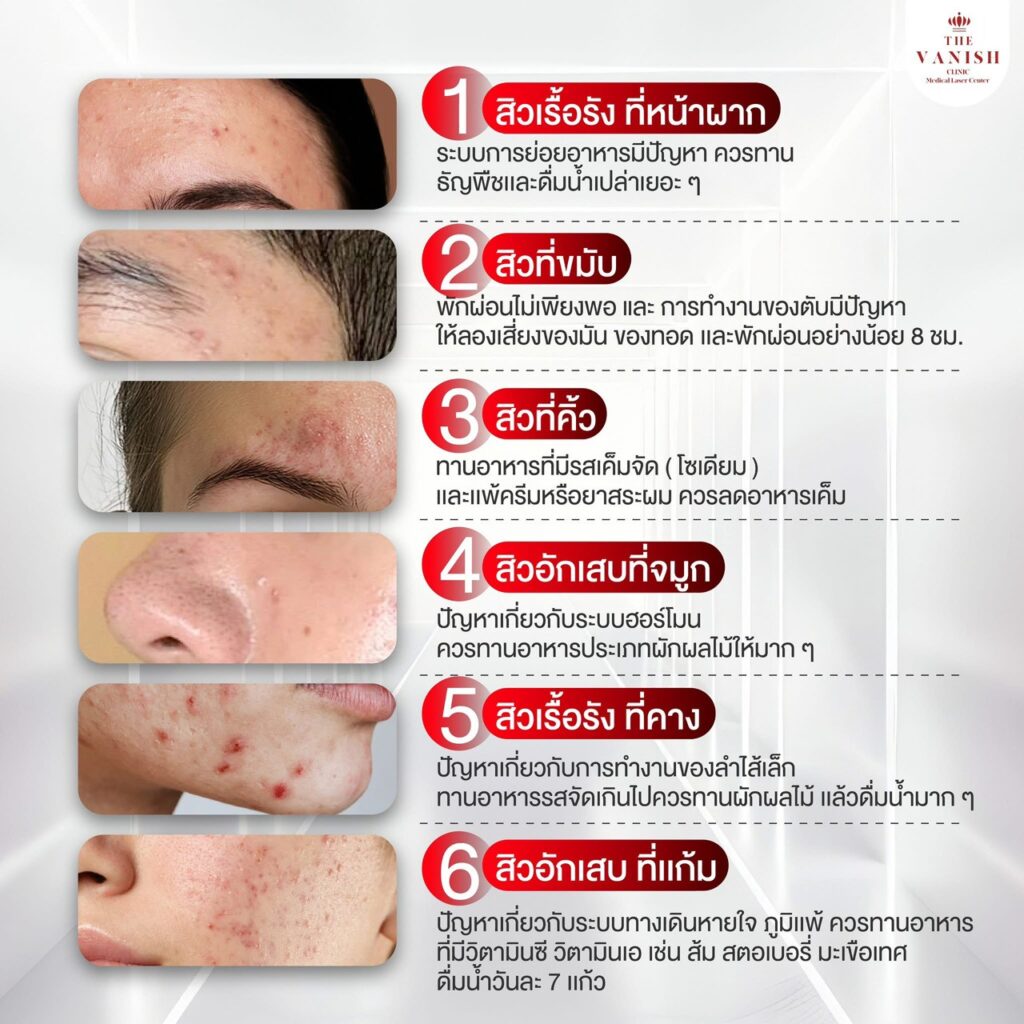
Can You Pop an Inflamed Pustule? A Doctor Answers
The clearest answer is: “Never pop a pustule yourself.” Squeezing can tear the follicle wall, causing the pus-filled sac to rupture and spread beneath the skin while pushing bacteria deeper into the dermis (Dermis). If done incorrectly, it can lead to serious consequences, including:
- Spreading infection: Dispersed bacteria can cause additional inflamed acne in nearby areas.
- Dark and red marks: More severe inflammation can leave hyperpigmentation that is difficult and time-consuming to treat.
- Acne scars and pitted scars: Tissue damage caused by squeezing may prevent the skin from healing properly, resulting in fibrous scar tissue or permanent pitted acne scars.
- Cyst formation: The pustule may develop into a larger, more painful cyst.
How Can Inflamed Pustules Be Treated?
Proper treatment of pustules should focus on reducing inflammation and eliminating bacteria without damaging the surrounding skin structure. Several treatment options may be chosen depending on severity, as follows:
Use Products That Reduce Inflammation and Kill Bacteria
Choose skincare products or acne spot treatments containing Benzoyl Peroxide. It works by releasing oxygen to kill C. acnes, an Anaerobic bacteria that does not thrive in oxygen, and helps reduce free fatty acids. Another option is Salicylic Acid (BHA), which dissolves oil, exfoliates dead skin cells, reduces clogged pores, and helps calm inflammation around the pustule.
Retinol Medication (Retinoid)
Vitamin A derivatives such as Adapalene or Tretinoin are highly effective options for addressing the underlying causes of acne. They normalize skin-cell turnover through a Comedolytic effect, helping bring clogged material to the surface and reduce Microcomedone formation. However, they may irritate the skin, so they should initially be used in small amounts and always paired with a moisturizer.
Treatment With Antibiotics
Topical Antibiotics such as Clindamycin or Erythromycin inhibit bacterial protein synthesis, helping reduce acne-causing bacteria and shrink pustules. Importantly, they should only be used under the guidance of a doctor or pharmacist and should not be used alone continuously for too long, as this can contribute to “antibiotic resistance.”
See a Dermatologist
If a pustule is large, very painful, or does not respond to topical medication, seeing a dermatologist is the best option. The doctor may consider procedures such as proper Comedone Extraction to drain the pus or an Intralesional Corticosteroid Injection to rapidly reduce inflammation and help prevent scarring.
Acne Patches
Hydrocolloid acne patches absorb fluid (Exudate) or pus from the pustule and create a moist environment that supports wound healing. They also prevent touching or picking, reducing the risk of a secondary infection. They are suitable for pustules that have already opened.
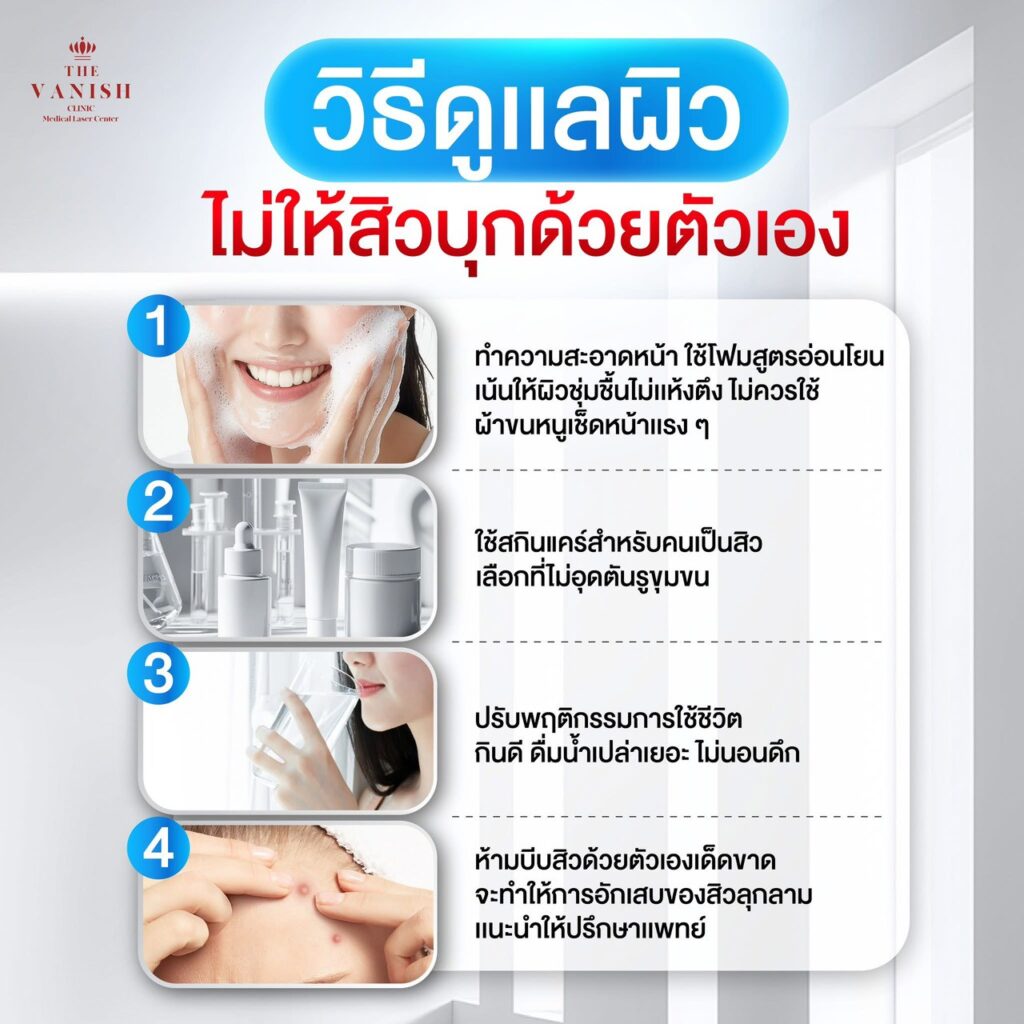
Warning Signs: When Should You See a Doctor for Pustules?
- The pustule is very large, has extensive redness and swelling, or causes unusually severe pain.
- You also have a fever or swollen lymph nodes.
- The acne spreads rapidly or does not improve within 2 weeks of initial care.
- Scarring, pitted marks, or keloids begin to form after the acne heals.
Continue reading: How Many Days Does It Take for a Pimple to Come to a Head? From Development to Healing
Treating Pustules With Reju Ac at The Vanish Clinic
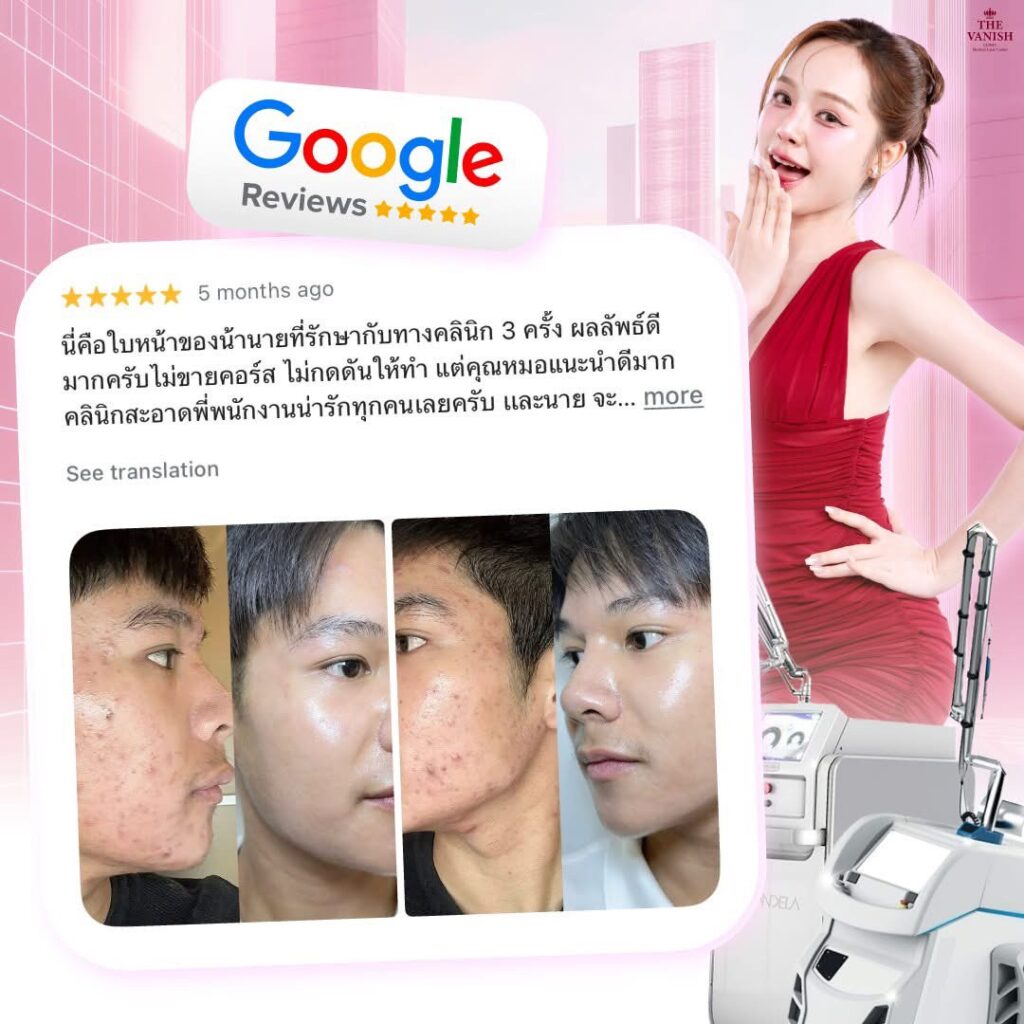
Even after a pustule subsides, the main problems that often remain are inflammation-related “marks and pitted acne scars.” The Reju Ac program at The Vanish Clinic is designed to support post-acne skin restoration by stimulating tissue repair (Wound Healing) and collagen beneath the skin. It helps make pitted scars shallower, fade redness, and restore a smoother, stronger skin condition that can better cope with new acne.
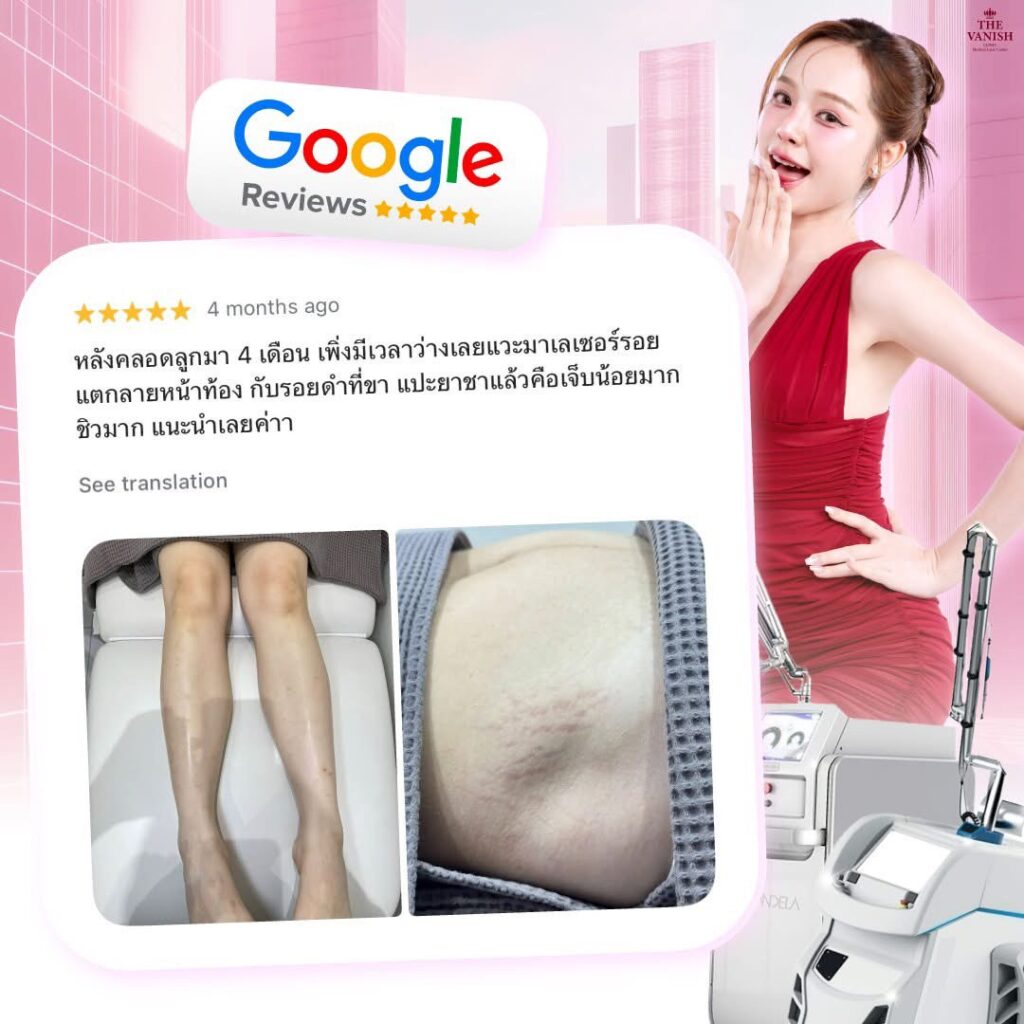
Reju Ac Pustule Treatment Reviews From The Vanish Clinic
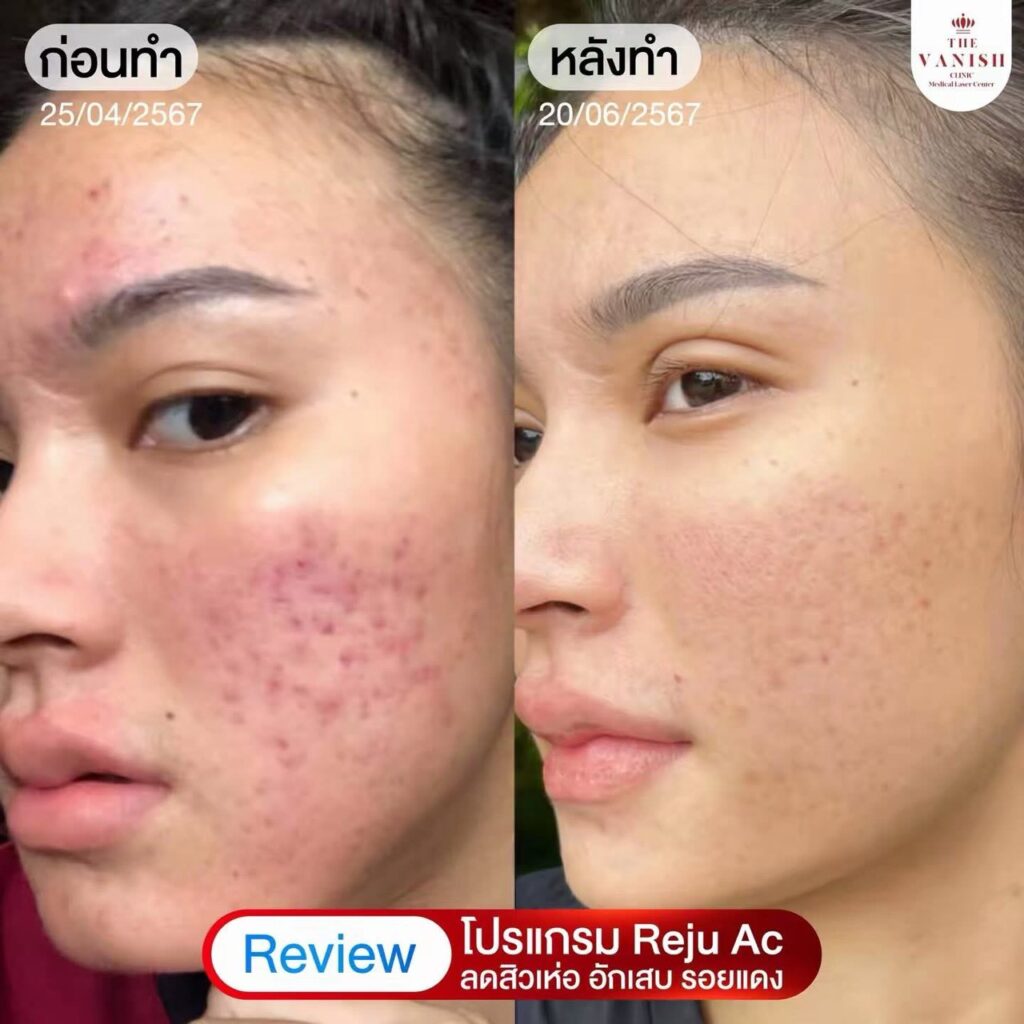
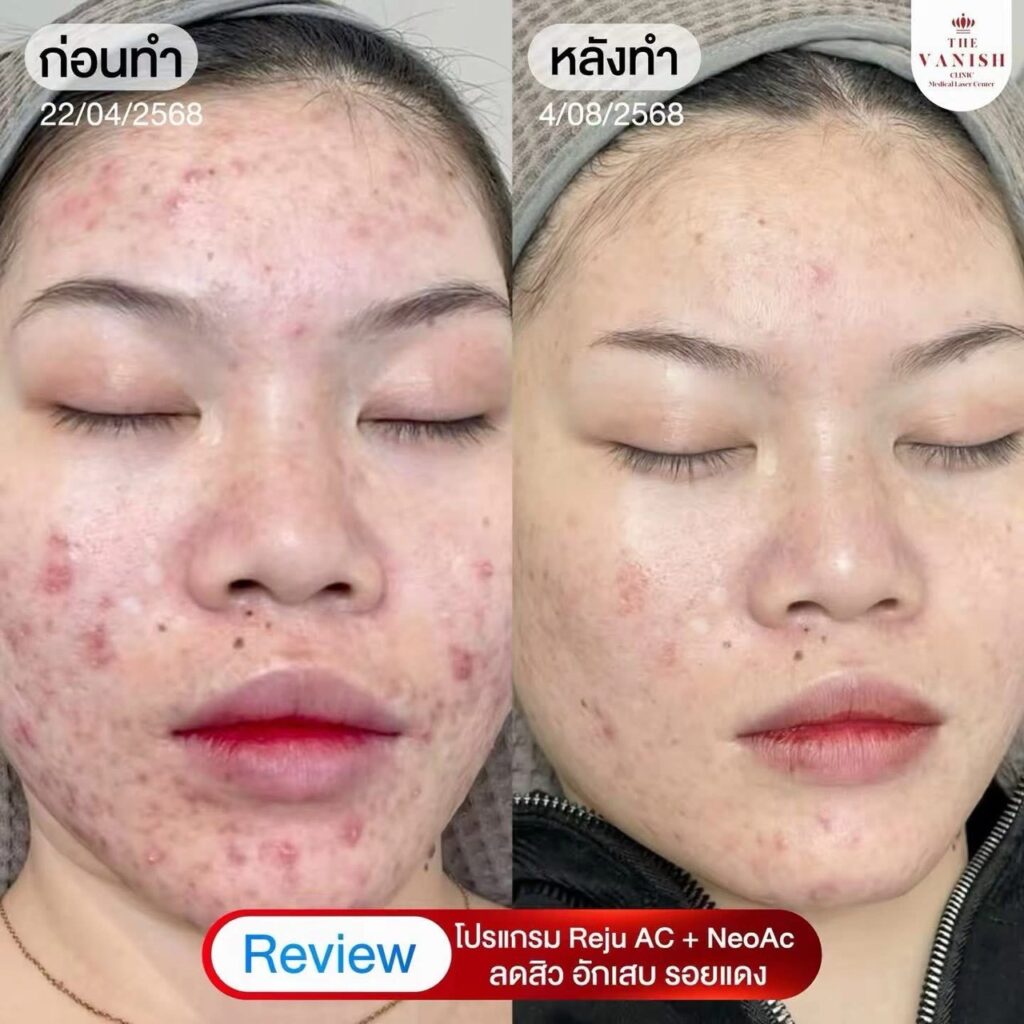
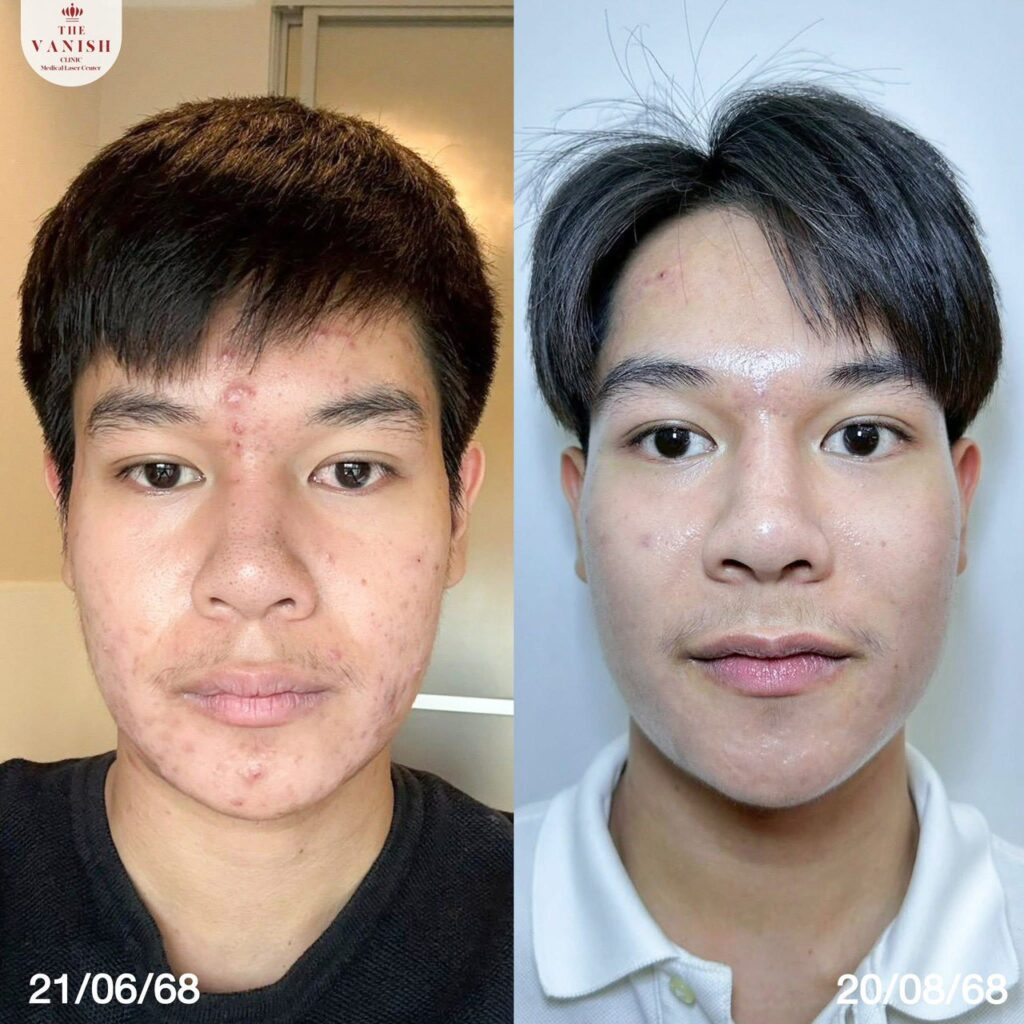
Genuine Google Reviews From The Vanish Clinic Patients