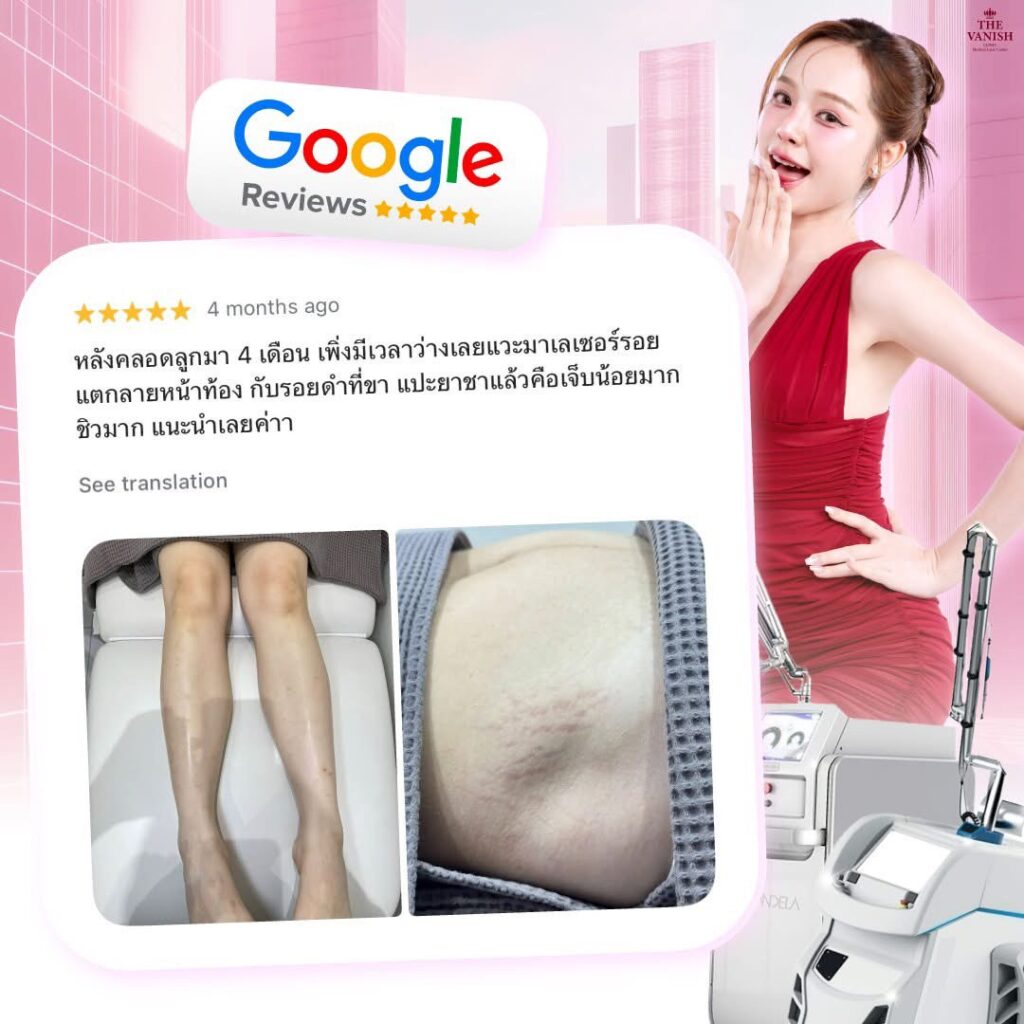





Shaving is a popular way to achieve smooth skin, but it often comes with bothersome itching. Itching after shaving is not only irritating; it may also signal subsequent skin problems, including red bumps, ingrown hairs, or dark marks and redness caused by inflammation. In this article, specialists from The Vanish Clinic explain the root causes of the problem and recommend proper prevention and skincare methods, helping make shaving easier without recurring skin concerns. The article also covers options for managing unwanted hair in the long term.
What Causes Itching After Shaving? Causes Many People Overlook
Itching after shaving does not occur without a cause. It results from a combination of factors, including:
- Post-shave skin reaction (razor burn): Shaving creates friction and damages the outermost layer of skin (the stratum corneum), causing irritation, redness, burning, and itching. This is the most common cause.
- Allergic reactions to razors or creams:
- Allergy to chemicals in products: Some shaving creams, soaps, or aftershave lotions may contain fragrances, alcohol, or preservatives that cause allergic contact dermatitis or irritant contact dermatitis.
- Nickel allergy from razors: People with a nickel allergy may experience itching when their skin comes into contact with blades containing nickel.
- Ingrown hairs (Pseudofolliculitis Barbae): These occur when newly growing hairs cannot emerge through the skin normally and instead curl beneath it or penetrate a nearby hair follicle. This can cause inflammation, raised red bumps, itching, or pain, particularly in people with curly or coarse hair.
- Micro-irritation: Even with careful shaving, the blade can create tiny, invisible injuries on the skin that may trigger itching.
- Dry, dehydrated skin (xerosis): Shaving also removes the skin’s natural protective oils, causing moisture loss, dryness, and greater sensitivity to irritation and itching.
Is Post-shave Itching Caused by an Allergy or Incorrect Shaving?
It is important to distinguish an allergic reaction from irritation caused by improper shaving:
1. Check for signs of allergy and irritation:
- Allergic reaction: Common signs include a red, itchy rash, small fluid-filled blisters, or flaky skin. Symptoms may appear after using a new product, occur only when a particular product is used, and spread beyond the shaved area. If you suspect an allergy, stop using the suspected product immediately.
- Irritation: This commonly causes redness, burning, and itching immediately or within a few hours after shaving. It is usually limited to the shaved area and often results from improper technique or pre-existing skin sensitivity.
2. Incorrect shaving methods
- Shaving against the grain: This is a major cause of irritation and ingrown hairs because the cut hair ends become sharp and can more easily penetrate the skin.
- Pressing the razor too firmly: This causes greater damage to the skin.
- Shaving the same area repeatedly: This increases friction and irritation.
- Using a dirty or dull razor:
- Dull razor: A dull blade requires more pressure and repeated passes, irritating the skin.
- Dirty razor: A dirty razor can harbor bacteria, potentially causing inflammation or infection of the hair follicles (folliculitis).
How to Shave Properly to Reduce Itching and Skin Irritation
Improving your shaving technique can significantly reduce itching:
1. Prepare your skin before shaving:
- Cleanse the skin with warm water and a gentle cleanser to remove dirt and excess oil.
- Apply a warm, damp towel to the skin, or shave after a warm shower of approximately 2-3 minutes. This softens the hair and opens the pores, making shaving easier.
2. Choose a suitable razor:
- Always use a sharp, clean razor. Replace the blade frequently—after every 5-7 shaves or whenever it begins to feel dull.
- A multi-blade razor (3-5 blades) may provide a close shave with fewer passes and less friction. However, some people may find it more irritating than a single- or double-blade razor. Observe which type suits your skin best.
3. Use shaving gel or cream:
- Apply shaving gel or cream evenly over the area to lubricate the skin, reduce friction, and soften the hair. If possible, choose a formula designed for sensitive skin.
4. Shave with the grain:
- Always shave in the direction of hair growth. Shaving against the grain increases the risk of ingrown hairs and irritation.
- Rinse the blade frequently while shaving to remove trapped hair and cream.
5. Care for your skin after shaving:
- Rinse the skin with cool water to help tighten the pores.
- Gently pat the skin dry with a soft towel; do not rub.
- Apply an alcohol-free aftershave balm or lotion, or a gentle moisturizer, to soothe the skin and replenish moisture.
Why Do the Armpits or Groin Itch After Shaving?
The skin of the armpits and groin has distinctive characteristics and is more delicate than other areas, making it prone to itching for reasons such as:
- Delicate skin in these areas: The skin is thinner and has a high concentration of sweat and sebaceous glands, making it more sensitive to irritation.
- Sweat and moisture: These areas are often moist with sweat, creating favorable conditions for bacterial growth. When shaving has irritated the skin and bacteria accumulate, inflammation and itching can develop more easily.
- Friction from clothing: Tight clothing or synthetic fabrics with poor ventilation may rub against freshly shaved skin, worsening irritation and itching.
Itchy Bumps After Shaving: How to Keep Them From Spreading
When itchy bumps develop after shaving, care for them properly:
- Itchy bumps caused by irritation or folliculitis:
- Irritation (razor bumps): These are usually small, itchy red bumps caused by ingrown hairs or general irritation.
- Folliculitis: This is caused by a bacterial or fungal infection in the hair follicles. It may appear as itchy red bumps with small pus-filled heads resembling acne.
- Initial care:
- Stop shaving: Allow the affected skin to rest until the symptoms improve.
- Apply a cold compress: Place a clean cloth soaked in cold water, or ice wrapped in a cloth, on the itchy area for approximately 10-15 minutes several times a day to reduce inflammation and itching.
- Apply medication:
- For mild itching, apply a thin layer of low-strength hydrocortisone cream (0.5%-1%) once or twice daily. Do not use it continuously for longer than one week without consulting a doctor.
- For acne-like bumps or mild folliculitis, a product containing Benzoyl Peroxide or Salicylic Acid may be applied directly to the affected spots. Use caution, as these ingredients may dry or irritate the skin.
- Aloe Vera gel or products containing Chamomile may help soothe the skin and reduce irritation.
- Avoid scratching: Scratching further irritates and inflames the skin and increases the risk of infection.
- Wear loose clothing: Choose cotton or other breathable materials.
- Signs that you should see a doctor:
- Inflamed red bumps spread or do not improve within 2-3 days.
- There is pain, swelling, redness, warmth, or pus.
- The itching is severe or unbearable.
- You develop a fever, which may indicate a serious infection.
How to Choose Safe Shaving Equipment and Prevent Itching
Choosing the right equipment can help reduce itching:
- How many blades should a razor have?
- Single- or double-blade razors: These are suitable for people with sensitive skin or a tendency to develop ingrown hairs because they reduce pulling on the hair and skin.
- Multi-blade razors (3-5 blades): These provide a close shave with fewer passes and may suit people without sensitive skin, although they can increase irritation in some individuals.
- Most importantly, the blade must be sharp and clean.
- Electric or manual razors:
- Electric razor: This is generally gentler on the skin because the blade does not touch it directly, reducing the risk of cuts and irritation. It is suitable for sensitive skin, although the shave may not be as close as with a manual razor.
- Manual razor: This provides a closer shave but requires proper technique to reduce irritation.
- Keeping equipment clean:
- Clean the razor thoroughly after every use and allow it to dry in a well-ventilated place.
- Do not share razors with other people.
- Replace the blade or razor head regularly.
Is an Ingrown Hair Causing Post-shave Itching? Prevention and Treatment
Ingrown hairs are a major cause of itching and inflamed bumps:
- Causes of ingrown hairs: A cut hair has a sharp tip. When it begins growing again but cannot penetrate the top layer of skin (the epidermis), it curls back into the follicle or penetrates the surrounding skin, causing inflammation.
- Proper exfoliation:
- This helps remove dead skin cells that may clog follicles and obstruct hair growth.
- Exfoliate before shaving 1-2 times per week with a gentle product, such as a scrub with fine particles or mild fruit acids (AHA or BHA).
- Avoid exfoliating immediately before or after shaving, as this may increase irritation.
- Medication and creams that help clear follicles and reduce inflammation:
- Products containing Salicylic Acid (BHA), Glycolic Acid (AHA), or Lactic Acid help exfoliate the skin and prevent blockages.
- Creams containing Benzoyl Peroxide help reduce inflammation and kill bacteria when bumps are inflamed.
- For severe ingrown hairs, a doctor may prescribe a mild steroid cream or a topical or oral antibiotic.
- Other methods:
- Do not pull, pick at, or scratch ingrown hairs, as this may cause scarring or infection.
- If an ingrown hair becomes severely inflamed, consult a doctor for appropriate treatment.
Does Dry Skin Cause Itching After Shaving? Moisturizing Techniques
Dryness weakens the skin barrier and makes the skin more prone to itching:
- Using an aftershave balm or lotion:
- Choose an alcohol- and fragrance-free formula to avoid further dryness or irritation.
- Look for soothing and moisturizing ingredients such as Aloe Vera, Glycerin, Hyaluronic Acid, and Ceramides.
- Choose a non-comedogenic moisturizer:
- Apply moisturizer every day, particularly after bathing and shaving, to help retain moisture in the skin.
- Avoid harsh soaps that dry the skin:
- Choose a gentle skin cleanser with a pH close to that of the skin and without harsh Sulfates.
Scratching Post-shave Itching Until It Bleeds: Is There an Infection Risk?
Scratching until an open wound develops increases the risk of bacterial infection:
1. Signs of an infected wound:
- Increasing pain, swelling, redness, or warmth around the wound.
- Pus draining from the wound.
- The wound becomes larger or does not heal within 2-3 days.
- Fever or enlarged nearby lymph nodes.
2. How to care for the wound safely:
- Clean the wound with Normal Saline Solution or mild soap and clean water, then pat it dry.
- Apply a topical antibiotic ointment, such as Bacitracin or Mupirocin, if recommended by a doctor.
- Cover the wound with a clean adhesive dressing or gauze to protect it from dirt.
- Change the dressing every day or whenever it becomes wet.
When should you stop shaving?
- When the skin is irritated, itchy, red, or bumpy.
- When there is an open wound or signs of infection.
- Allow the skin to recover fully before shaving again.
Chemicals in Shaving Cream May Be Causing the Itching
Products used during shaving may cause itching:
- Ingredients that commonly cause allergic reactions or irritation:
- Fragrance: One of the leading causes of contact allergy.
- Alcohol: This dries and irritates the skin, particularly Denatured Alcohol and SD Alcohol.
- Preservatives: Examples include Parabens, Formaldehyde-releasers, and Methylisothiazolinone (MI).
- Artificial Colors
- Sodium Lauryl Sulfate (SLS) / Sodium Laureth Sulfate (SLES): Surfactants that may be too harsh for sensitive skin.
- Gentle shaving creams:
- Look for products labeled “Hypoallergenic,” “Fragrance-Free,” or “For Sensitive Skin.”
- Choose formulas with naturally derived soothing ingredients such as Aloe Vera, Chamomile, or oatmeal.
- How to choose safe products:
- Read the ingredient label carefully.
- Patch-test the product on a small area, such as the inner forearm, and leave it for 24-48 hours. Use it on the area you intend to shave only if no allergic reaction or irritation occurs.
How Often Can You Shave Without Irritating Your Skin?
The appropriate shaving frequency depends on each person’s skin condition:
- How long to wait between shaves:
- If your skin has no problems, you may be able to shave daily or every other day.
- If your skin is sensitive or prone to irritation, wait longer between shaves—for example, shave once every 2-3 days or 1-2 times per week—to give the skin time to recover.
- Signs that your skin needs a break:
- Redness, itching, burning, or bumps after shaving.
- Dry, flaky skin.
- Frequent ingrown hairs.
- Alternatives when the skin is compromised:
- If frequent shaving irritates your skin, consider another hair-removal method, such as depilatory cream for people without chemical sensitivities, waxing—which may also cause pain and irritation—or laser hair removal for longer-term results.
Shaving or Waxing: Which Is Better for Reducing Itching?
A comparison of shaving and waxing in terms of itching:
– Shaving
- Advantages: Convenient, quick, relatively painless when done correctly, and inexpensive.
- Disadvantages: Hair grows back quickly, within 1-3 days. New hair tips may feel coarse and sharp, and incorrect technique or dry skin can easily lead to irritation, ingrown hairs, and itching.
– Waxing
- Advantages: Removes hair from the root, so regrowth takes longer—approximately 3-6 weeks. New hair is often finer and softer, and waxing reduces ingrown hairs in some people.
- Disadvantages: Waxing is painful and may cause irritation, redness, or folliculitis, especially during the first few sessions or when performed incorrectly. Hair may break during waxing and become ingrown, and it must grow to a sufficient length before it can be waxed again.
– Effects on the skin and itching:
- Shaving: Itching commonly results from irritation of the outer skin, dryness, or ingrown hairs.
- Waxing: Itching or irritation may result from forceful pulling, inflamed follicles, or ingrown hairs as new hairs attempt to penetrate the skin.
– Which skin types are they suitable for?
- Very sensitive skin: Both methods may require caution. An electric razor or hair trimming may be a better option.
- People prone to shaving-related ingrown hairs: Proper waxing may reduce the problem, although waxing can also cause ingrown hairs in some people.
- Laser hair removal is another option that may reduce these problems over the long term.
– Do Post-shave Skincare Products Really Reduce Itching?
Aftershave products play an important role in reducing itching:
- Recommended products:
- Alcohol-free Aftershave Balm/Lotion: Helps soothe, moisturize, and reduce inflammation.
- Aloe Vera Gel: Helps reduce inflammation, support skin recovery, and provide a cooling sensation.
- Products containing Chamomile, Calendula, or alcohol-free Witch Hazel: Help reduce irritation and soothe the skin.
- Gentle moisturizer: Helps restore the skin barrier and prevent dryness.
- Ingredients that help reduce inflammation and soothe the skin:
- Aloe Vera, Chamomile, Calendula, Allantoin, Bisabolol, Panthenol (Pro-vitamin B5), Green Tea Extract, Oatmeal Extract
- Which products should be avoided?
- Products containing alcohol (Alcohol Denat., SD Alcohol).
- Fragrance/Parfum.
- Artificial colors.
- Fruit acids (AHA, BHA) or Retinoids immediately after shaving, as they may cause irritation; wait before applying them.
- Products with high concentrations of Menthol or Camphor may feel cooling but can irritate sensitive skin.
Expert Advice: Managing Itching After Shaving
Advice from a dermatologist’s perspective:
Dermatologist’s advice
- “Most post-shave itching is caused by irritation (Irritant Contact Dermatitis) and ingrown hairs (Pseudofolliculitis Barbae). Proper shaving technique, skin preparation, and post-shave care are the most important considerations.”
- “If the itching is severe, pus-filled bumps develop, or the condition does not improve, consult a dermatologist for an accurate diagnosis and appropriate treatment. In some cases, a topical steroid or antibiotic may be necessary.”
Tips! Expert skincare advice:
- Do not neglect moisturizing: Healthy, well-hydrated skin tolerates irritation better.
- Understand your skin and hair: Adapt your shaving method and products accordingly.
- Do not force yourself to shave when your skin has problems: Let it recover first.
Post-shave Do’s & Don’ts:
- Do: Apply a soothing product, wear loose clothing, and moisturize.
- Don’t: Scratch, immediately wear tight clothing, use products containing alcohol or fragrance, or expose the skin to strong sunlight without protection.
Itching After Shaving in Men vs Women: What Is Different?
Although the mechanisms behind itching are similar, there are some differences:
- Differences in hormones and hair characteristics:
- Men: Men commonly shave facial hair, which is coarser, stiffer, and denser than women’s body hair. This makes ingrown hairs (Pseudofolliculitis Barbae), or “razor bumps,” more likely on the face and neck. Androgens also affect the characteristics and density of the hair.
- Women: Women commonly shave their armpits, legs, and groin. The skin in these areas may be delicate and prone to moisture, particularly in the armpits and groin.
- Skincare habits by sex:
- Men may be more likely to use an alcohol-based Aftershave, which can dry and irritate the skin.
- Women may place more emphasis on using body lotion but may choose fragranced products that can cause allergic reactions.
- Tips for each group:
- Men: Choose a sharp razor and shaving cream suitable for facial skin, shave with the grain, and use an alcohol-free Aftershave balm.
- Women: Take particular care when shaving delicate areas such as the armpits and groin, use gentle products, and wear breathable clothing afterward.
How Should Post-shave Itching in Children or Teenagers Be Managed?
The skin of children and teenagers is particularly delicate:
- The delicate skin of children and teenagers: Their skin is not yet fully developed, making it more sensitive to irritation and chemicals than adult skin.
- Products to use and avoid:
- Use: Gentle products free from fragrance, alcohol, and harsh chemicals. Choose Hypoallergenic formulas for sensitive skin.
- Avoid: Products with complex formulations or ingredients that may cause irritation.
- Providing appropriate guidance:
- Teach proper shaving techniques from the beginning, including skin preparation, shaving with the grain, and using a clean, sharp razor.
- Emphasize the importance of post-shave skincare.
- If ingrown hairs or irritation begin to develop, advise them to consult a parent, guardian, or doctor.
- An electric razor, which is gentler, may be recommended for beginners.
When Should You See a Doctor? Signs That Post-shave Itching Is Abnormal
Mild itching after shaving usually resolves on its own, but some cases require medical attention:
- Inflamed, swollen, red bumps lasting several days: Seek care if the bumps do not subside within 2-3 days or continue to spread.
- Severe or spreading itching, pus, or discharge: This may indicate a worsening bacterial or fungal infection.
- Symptoms do not improve after initial self-care: This includes symptoms that persist despite adjusting your shaving technique and using gentle products.
- Fever or feeling unwell: This may indicate that an infection has spread systemically.
- Suspected severe allergic reaction: Examples include hives or difficulty breathing. This is very rare after shaving, but it is important to recognize.
- Is medication necessary? Depending on the cause and severity, a doctor may prescribe a topical steroid, topical or oral antibiotic, or antifungal medication.
Can Frequent Post-shave Itching Lead to a Skin Condition?
Chronic shaving-related itching may cause or trigger certain skin conditions:
- Atopic Dermatitis/Eczema: Repeated shaving-related irritation may trigger an eczema flare in people already predisposed to the condition.
- Bacterial Skin Infections: Examples include Folliculitis, a Furuncle, or, in severe cases, Cellulitis when scratching creates an open wound that does not receive appropriate care.
- Chronic Pseudofolliculitis Barbae: If left unaddressed, this may cause Post-Inflammatory Hyperpigmentation or scarring.
- Consult a doctor for a clear diagnosis: If you have chronic itching or other shaving-related skin problems, consult a dermatologist for an assessment and to distinguish the condition from other skin disorders with similar symptoms.
A New Option: Can Laser Hair Removal Resolve Post-shave Itching?
For people tired of recurring post-shave itching, laser hair removal is a compelling option:
- How laser hair removal works:
- The laser delivers light energy at a specific wavelength to the hair root. Melanin in the hair absorbs the light energy and converts it into heat. This heat damages cells in the Hair Follicle, causing new hair to grow more slowly, become finer, or stop growing over the long term.
- Can it really reduce shaving-related itching?
- Yes, it can, with very good results. As the amount and thickness of hair decrease, shaving becomes less necessary, so the skin is exposed to blade friction less often.
- Ingrown hairs are noticeably reduced because once the hair roots are damaged, any new hairs that do grow are usually weaker and finer, making them less likely to curl beneath the skin.
- It also reduces shaving-related irritation and folliculitis.
- Who is it suitable for?
- People who regularly experience itching, irritation, or ingrown hairs from shaving.
- People who want to reduce the amount of hair over the long term.
- People seeking greater convenience and less time spent shaving frequently.
- Cost and recommended number of sessions:
- The cost depends on the treatment area, its size, and the number of sessions.
- Treatment generally requires approximately 5-8 sessions or more, spaced 4-8 weeks apart depending on the area and type of laser, to target hairs at different stages of the growth cycle.
- At The Vanish Clinic, our specialist doctors can assess your skin and hair and recommend a laser hair removal program suited to your individual needs for optimal and safe results.
Frequently Asked Questions About Itching After Shaving, Answered by a Dermatologist
Q1: How many days does itching after shaving last, and how long is considered normal?
A: Mild itching caused by Razor burn usually improves within 1-3 days with proper care, such as moisturizing and avoiding further irritation. If itching lasts longer or inflamed bumps develop, it may indicate ingrown hairs or an infection. Monitor the symptoms and consult a doctor if they do not improve.
Q2: Why did shaving cause itching this time but not last time when I used the same method?
A: Other factors may be involved, such as the condition of your skin that day—it may be drier or more vulnerable than usual—the sharpness of the blade, which may have begun to dull, changes in other products applied to the skin, or even the weather, as dry air can make irritation more likely.
Q3: Will using depilatory cream instead of shaving reduce itching?
A: Depilatory creams use chemicals to break down proteins in the hair. They may reduce ingrown hairs caused by sharp hair tips, but their chemicals can also cause an allergic reaction or skin irritation. In some people, this may cause itching, burning, and redness similar to shaving. Always perform a patch test before use.
Q4: Is there a way to help an ingrown hair emerge on its own without picking or scratching it?
A: Regular exfoliation 1-2 times per week with a gentle product, along with a cream containing AHA or BHA, helps remove dead skin cells so that shallow ingrown hairs can emerge more easily. A warm compress may also help open the follicles and allow the hair to come out more easily.
A: In most cases, shaving-related itching decreases substantially or disappears because both the amount of hair and the frequency of shaving are markedly reduced. However, if some hair remains and still needs to be shaved, proper technique should continue to be used to prevent the mild irritation that may still occur.
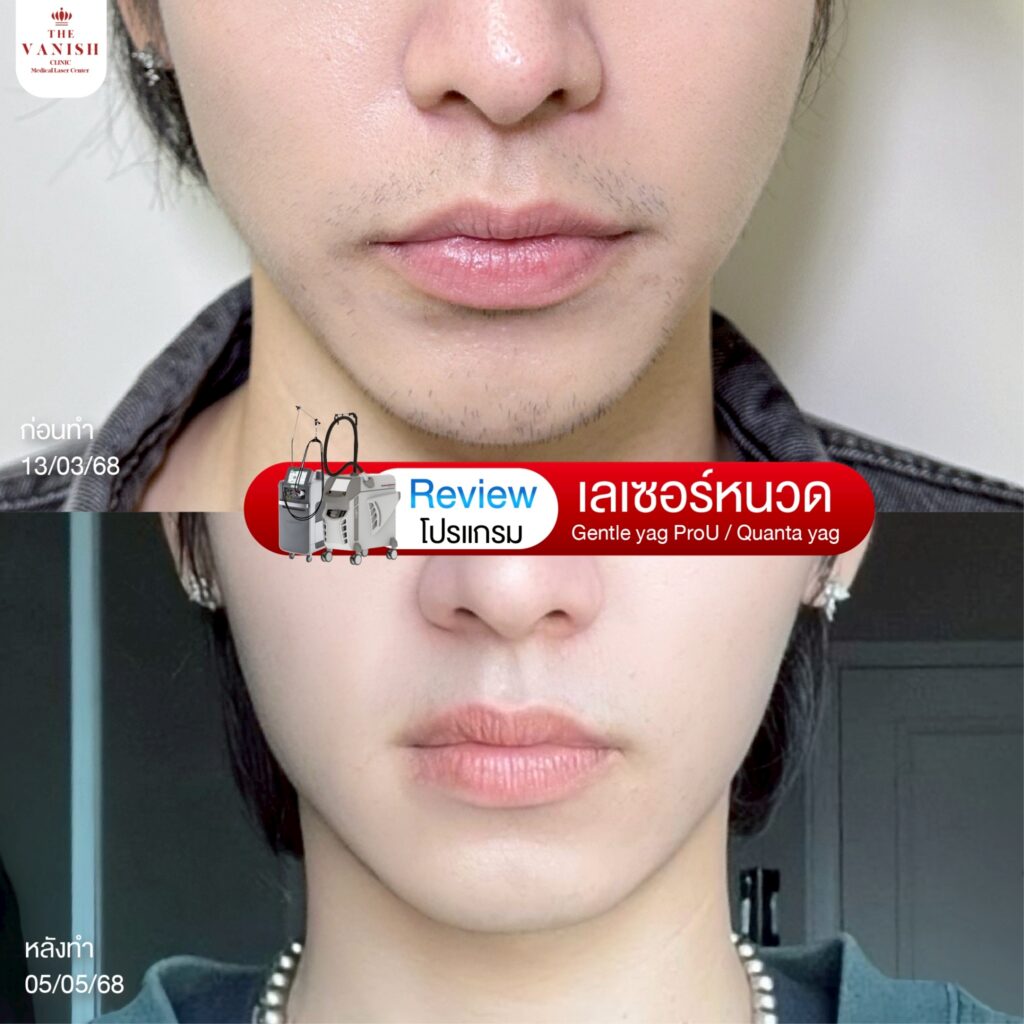
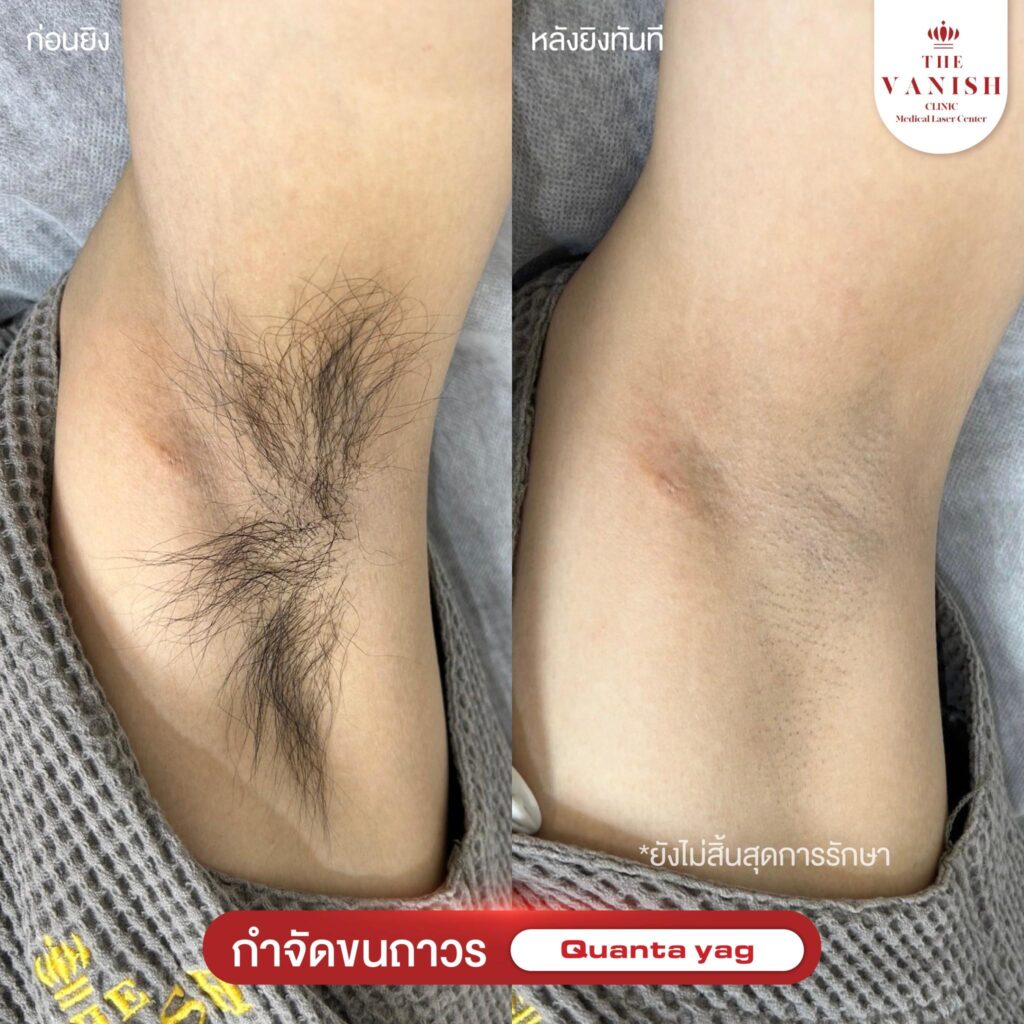
In-depth laser hair removal reviews from The Vanish Clinic
Conclusion: How to Shave Without Worrying About Itching
The main causes of itching after shaving are skin irritation, ingrown hairs, dryness, and allergic reactions to the products used. Understanding these causes, improving your shaving technique, preparing the skin properly, and maintaining consistent post-shave skincare are essential to preventing and reducing this bothersome problem. If itching is severe or persistent, or there are signs of infection, consulting a specialist is necessary. For those seeking a long-term solution for smooth skin with fewer hair-related concerns, specialist laser hair removal at The Vanish Clinic is another targeted option.
Consult a specialist at The Vanish Clinic today.
- Tel: 091-426-3624
- Line ID: @thevanishclinic (including the @ symbol)
- Facebook: The Vanish Clinic Official
- Learn more: www.thevanishclinic.com
Genuine Google Reviews from The Vanish Clinic patients