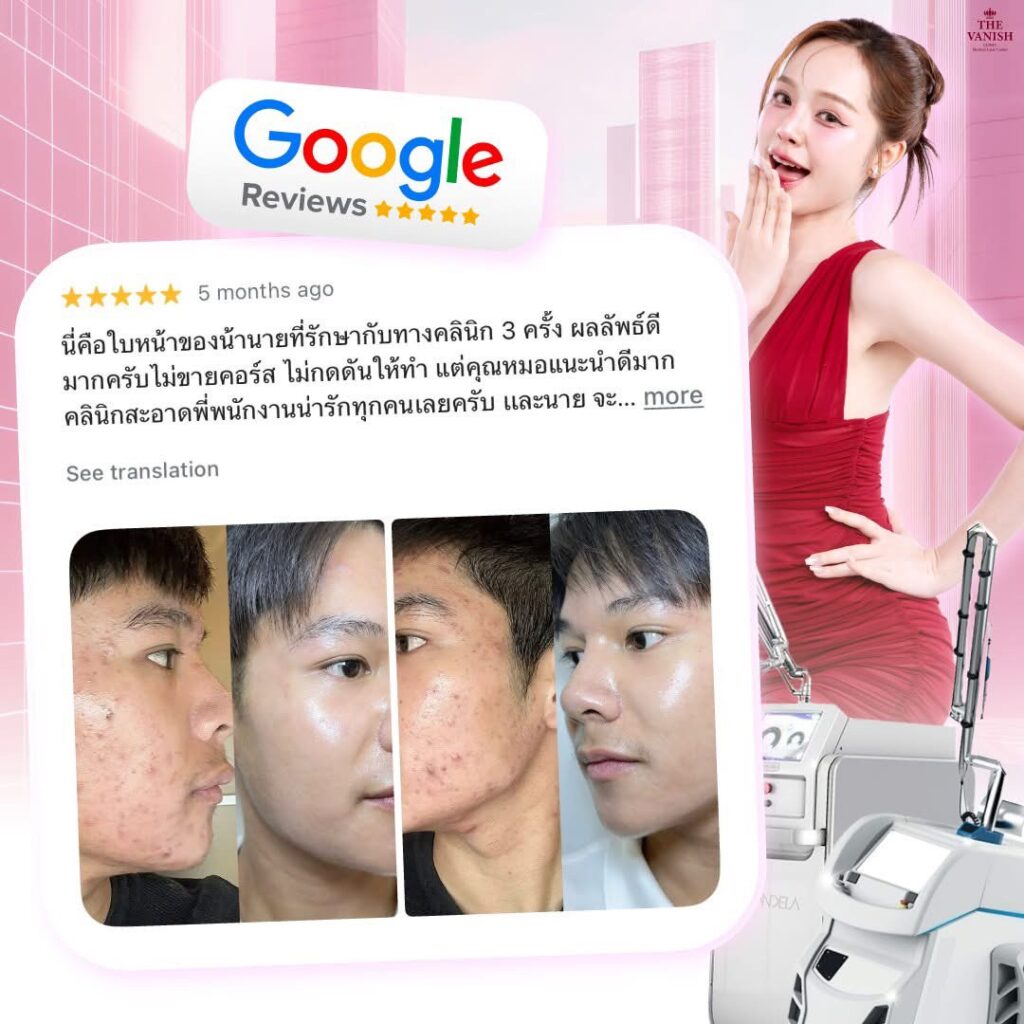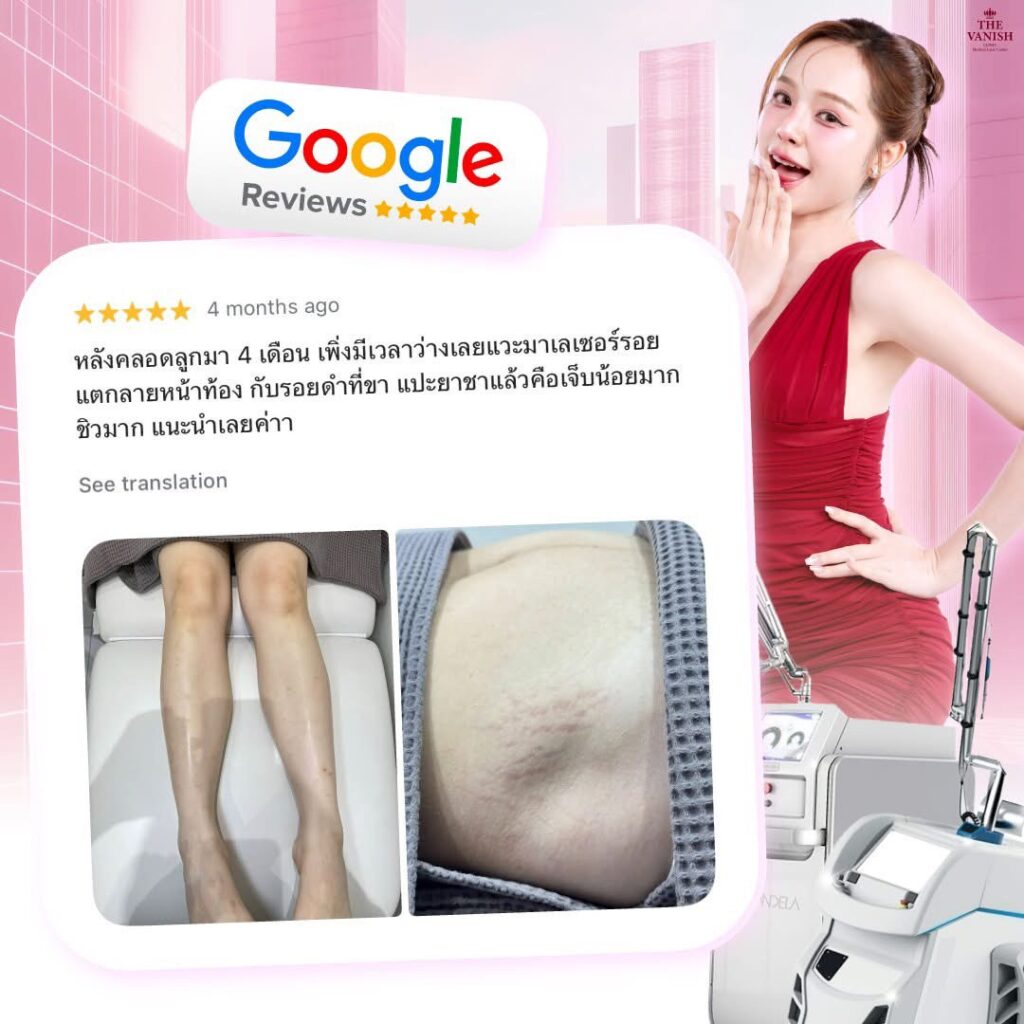





“Chicken skin” is a problem many people experience without realizing that its medical name is Keratosis Pilaris (KP), a chronic condition involving plugged hair follicles. It causes small bumps resembling raw chicken skin, commonly on the upper arms, thighs, or back. The skin feels rough and uneven and may not improve despite exfoliation or applying creams.
Many people scrub their skin aggressively or exfoliate every day until it becomes thin, yet the bumps remain. This is because they are not caused by poor hygiene but by an abnormal buildup of keratin inside the hair follicles, preventing the hairs from emerging and creating hard bumps.
A dermatologist from The Vanish Clinic explains:
“Keratosis Pilaris is not simply dry skin. It is a skin condition that requires targeted care. Although it cannot be completely cured, the symptoms can be controlled and the skin can become smoother when the right methods are used.”
This article provides a comprehensive answer to the question, what should you do about chicken skin? It covers how to recognize the symptoms, basic care, and in-clinic treatment using the latest technologies.
Understanding “Chicken Skin”
Chicken skin, or Keratosis Pilaris (KP), is caused by a buildup of keratin, a type of protein found in the skin. When excessive amounts accumulate, they block the openings of hair follicles and form small, hard bumps resembling closed comedones that cannot be squeezed out.
Unlike ordinary dry skin, KP involves an abnormal skin-cell turnover process and is also associated with genetics, hormones, weather, and skin irritation. This means the condition is often chronic and may repeatedly return.
People with KP often experience the following symptoms:
- Rough skin covered with tiny bumps resembling “chicken skin”
- An uneven texture that does not improve even after applying lotion
- Redness or darkening caused by inflammation
- Itching in some cases
The doctor explains:
“KP is not dangerous, but creams or exfoliation alone are not enough to address it. Both the skin’s structure and its moisture levels must be treated together.”
The Medical Meaning of Plugged Hair Follicles / Keratosis Pilaris
Keratosis Pilaris is an abnormality in skin-cell turnover and keratin production that blocks the hair follicles, making the skin appear to have hundreds of tiny bumps across the arms or legs.
KP commonly occurs in:
- Teenagers
- People with dry skin
- People with a history of atopic dermatitis
- People with family members who have the same condition
KP is not an infection or acne, and it is not caused by inadequate cleansing.
Signs and Symptoms: How to Tell “Chicken Skin” from Dry Skin
To distinguish ordinary dry skin from Keratosis Pilaris (KP), look for these key signs:
- Numerous small, hard bumps rather than peeling skin
- The bumps cannot be squeezed out because they are not acne
- They tend to persist in the same areas
- They do not disappear even with daily cream application
- The affected skin may also be red or darkened
- The area may itch when the skin is dry
If several of these symptoms occur together, there is a high likelihood that the condition is KP.
Main Causes of Chicken Skin
1) Keratin Blocking the Hair Follicles
The primary cause is the body producing abnormally high amounts of keratin, which obstructs the openings of the hair follicles.
2) Excessively Dry Skin
The drier the skin, the more noticeable KP becomes because the skin cannot shed cells in a balanced way.
3) Genetics
If someone in your family has the condition, you are also more likely to develop it.
4) Hormonal Changes
The condition often becomes more pronounced during adolescence or when the skin’s oil regulation is disrupted.
5) Fine Hairs Curving into the Skin
In some people, the condition results from hairs curving inward rather than growing out through the skin.
A doctor from The Vanish Clinic summarizes:
“KP results from a combination of dry skin, abnormal skin-cell turnover, and keratin buildup rather than a single cause. A combined treatment approach is therefore needed to produce results.”
Factors That Can Make the Condition Worse
Although KP is a genetic condition, several factors can make it flare up more easily, including:
- Dry weather or winter
- Regularly taking very hot showers
- Scrubbing aggressively until the skin becomes inflamed
- Using high-pH soap that dries the skin
- Frequent shaving
- Chemicals or clothing that irritate the skin
The doctor cautions:
“The drier the skin becomes, the more noticeable KP will be. Avoiding habits that cause the skin to lose moisture is extremely important.”
Basic At-Home Care
Proper care can improve symptoms by 30–50% without the need for procedures.
1) Use a Gentle Exfoliating Cream (AHA / BHA / Lactic / Urea)
These ingredients help break down the keratin blocking the follicles. Start with a low concentration to help prevent irritation.
2) Avoid Aggressive Scrubbing
Many people believe vigorous scrubbing will clear the condition, but it actually inflames the skin and makes KP worse.
3) Apply a Rich Moisturizer Every Day
The better hydrated the skin is, the smoother it becomes, helping to reduce the formation of new bumps.
4) Use a Gentle Soap with a Skin-Friendly pH
This helps strengthen the skin barrier.
5) Avoid Shaving the Affected Area
Shaving can cause more hairs to curve into the skin.
A doctor from The Vanish Clinic advises:
“The most effective approach to KP is gentle exfoliation combined with consistent moisturization—not scrubbing.”
Specialized Treatment for Chicken Skin
For those who want smoother skin more quickly, or whose KP is severe enough that the entire area feels rough, in-clinic treatment can produce more noticeable results. A doctor will first assess the skin and select a technique suited to the individual cause rather than using the same method for everyone.
1) Deep Skin-Resurfacing Laser (Pico Laser )
It helps exfoliate skin cells and reduce dark marks, making the skin progressively smoother and more even.
It is suitable for cases with very prominent bumps or accompanying dark marks.
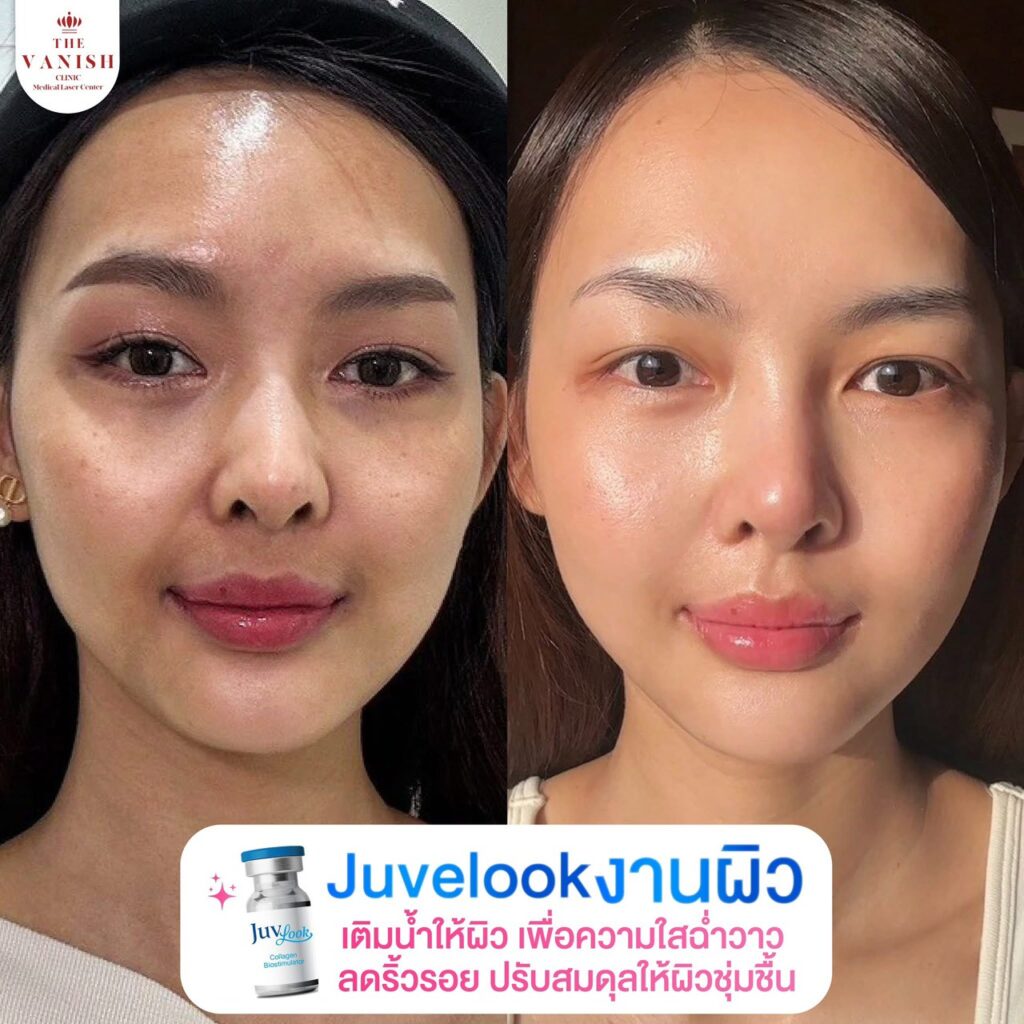
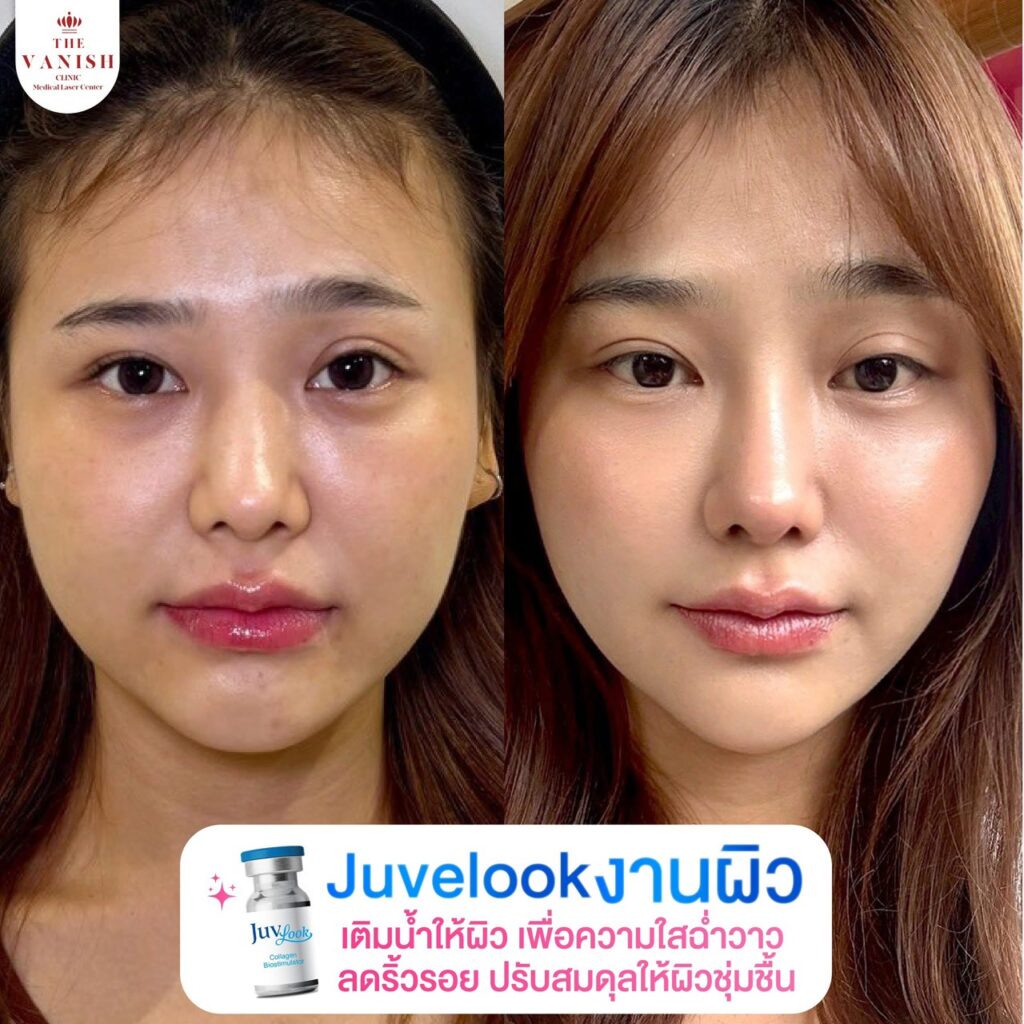
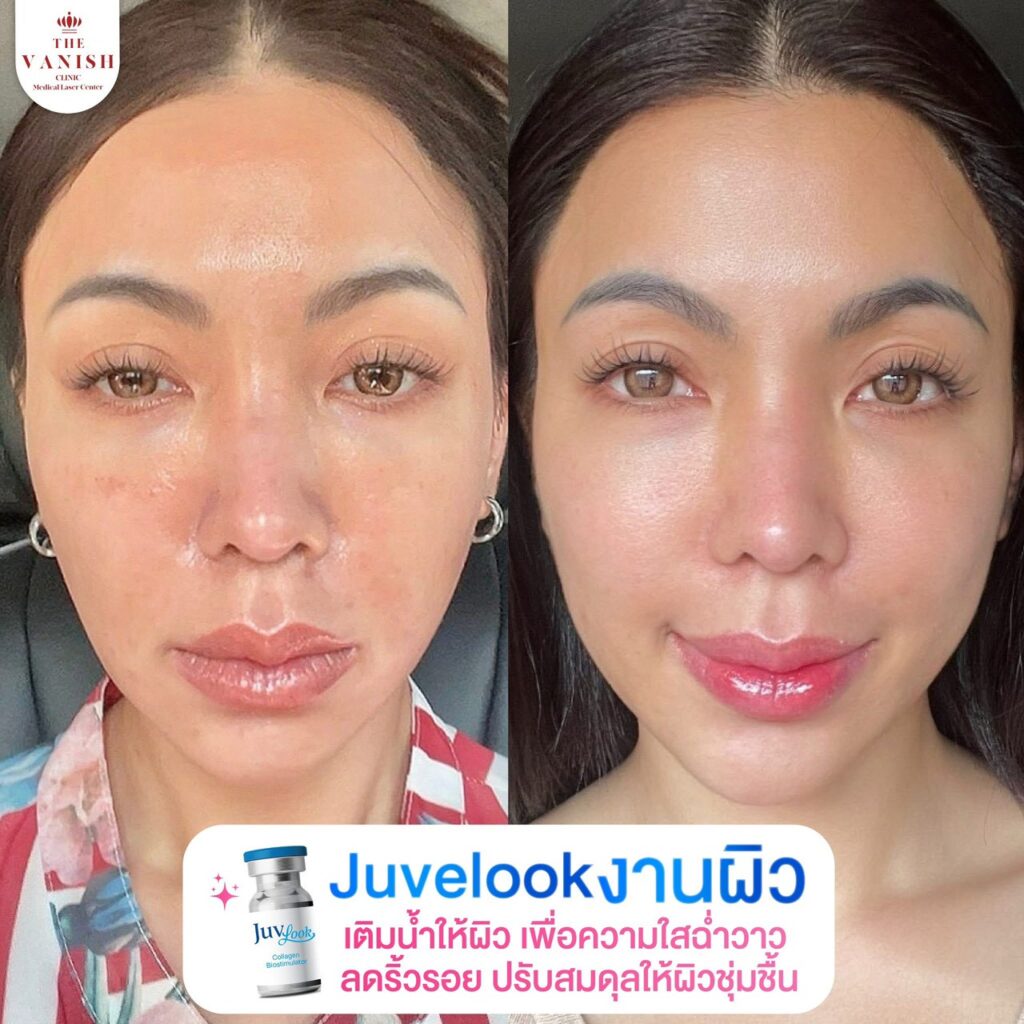
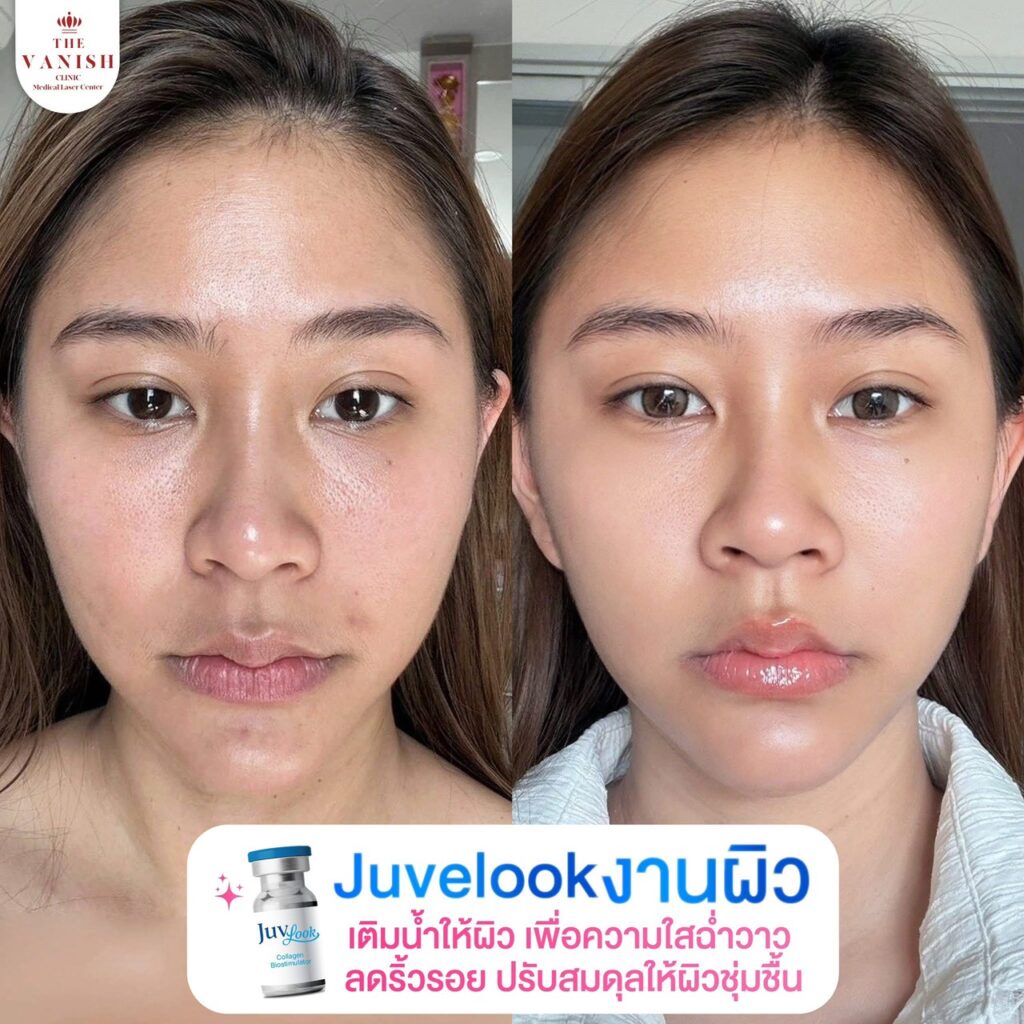
2) Juvelook & Skin Booster for Deep Skin-Structure Restoration
It is suitable for cases in which the skin is weakened or uneven due to a long-term buildup of keratin.
It helps:
- Firm the skin
- Make it smoother
- Reduce roughness
- Provide deep hydration
The doctor explains:
“For thin skin or KP that has persisted for many years, Juvelook can repair the skin more effectively than laser treatment alone.”
3) Clinical-Grade Chemical Peel
This safely accelerates exfoliation compared with using acids yourself at home.
4) Laser Hair Removal
It is suitable for people with “ingrown hairs” and helps prevent the hairs from curving into the skin again.
Learn More About Itching After Shaving
How to Choose the Right Clinic, Doctor, and Program
Treating KP requires an understanding of each person’s skin. When choosing a clinic, consider whether it:
- Provides a medical assessment before every treatment
- Uses laser equipment that meets recognized standards
- Recommends programs based on the actual condition of your skin rather than selling fixed packages
- Monitors results and adjusts treatment during the course
A doctor from The Vanish Clinic says:
“KP does not disappear after a single treatment. Its progress must be monitored and treatment continually adjusted, making the choice of a specialist doctor very important.”
Article Summary
For anyone wondering what to do about chicken skin, the answer begins with understanding that Keratosis Pilaris is a chronic skin condition requiring ongoing care to support both skin-cell turnover and hydration.
At-home care can improve the symptoms, but for those seeking smoother skin more quickly, medical treatments such as:
- Pico Laser
- Chemical Peel
- Juvelook
- Skin Booster
can help restore the skin’s structure and produce more noticeable results.
A doctor from The Vanish Clinic concludes:
“KP cannot be completely cured, but it can be controlled until the skin looks naturally smooth. With targeted and consistent treatment, the skin will gradually continue to improve, helping you regain your confidence.”
Genuine Google Reviews from The Vanish Clinic Patients