



Inflammatory acne is a skin concern that causes many people distress. It can be painful and may also leave scars behind. One frequently asked question is, “Can I take anti-inflammatory medication for inflammatory acne?” This article from The Vanish Clinic answers common questions about inflammatory acne, from its causes and types to appropriate treatment approaches, including antibiotics and other methods that can help you manage inflammatory acne effectively.
Can You Take Anti-Inflammatory Medication for Inflammatory Acne?
The answer to whether you can take anti-inflammatory medication for inflammatory acne is “yes,” but only under the supervision and guidance of a doctor or pharmacist. The medications most commonly used to treat inflammatory acne are antibiotics, such as Doxycycline, Minocycline, Erythromycin, or Clindamycin (in topical form). These medications reduce the amount of Cutibacterium acnes (or P. acnes), one of the main bacteria involved in acne inflammation. Some also have direct anti-inflammatory properties, helping inflamed spots subside and reducing pain.
To better understand inflammatory acne and consider other treatments that may be more suitable or used in combination for the best results, let us look at what inflammatory acne is and whether it can be treated without oral medication.
What Is Inflammatory Acne, and What Causes It?
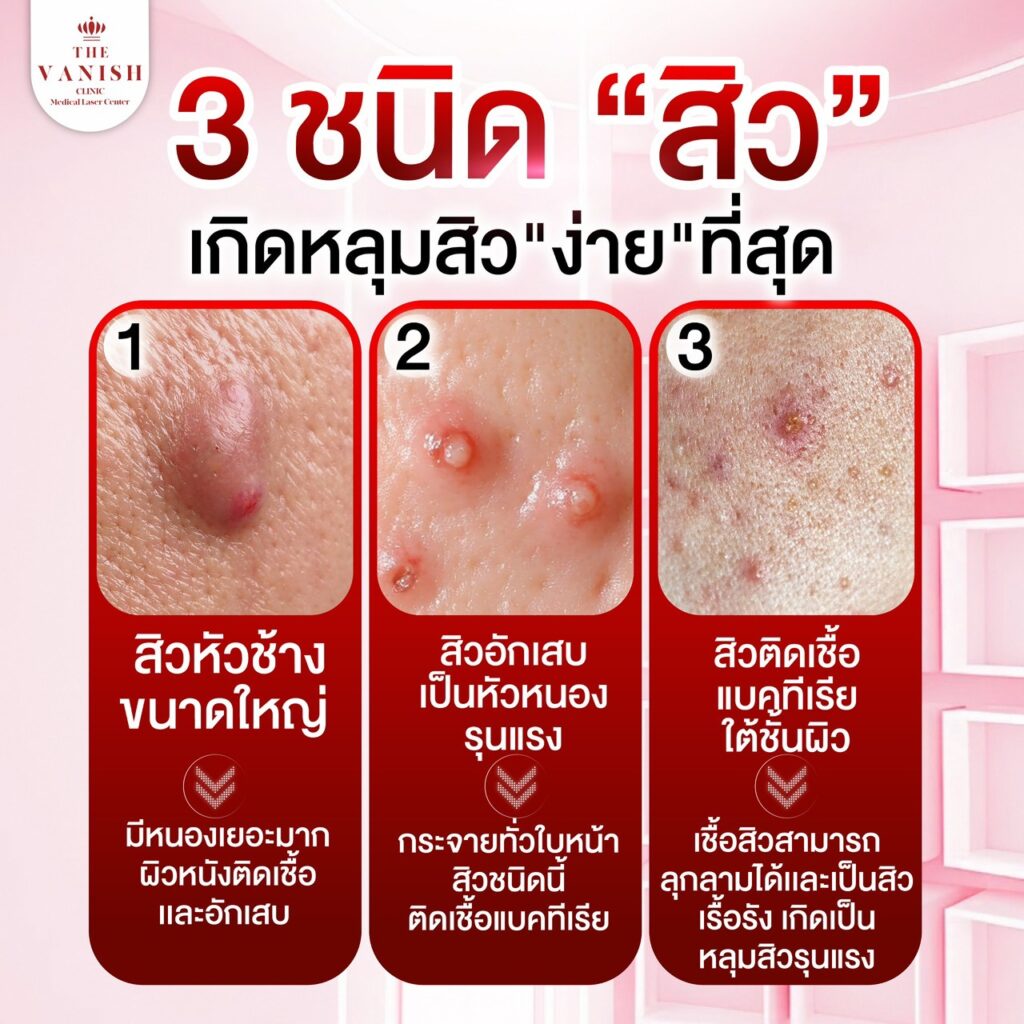
Inflammatory Acne is acne characterized by swelling, redness, pain, or visible pus. It develops when pores become clogged and are subsequently affected by bacteria, prompting the immune system to produce an inflammatory response to eliminate foreign substances. Inflammatory acne results from a combination of factors, including:
- Excessive sebum production: The sebaceous glands produce more oil than necessary, making the skin oily and more prone to clogged pores.
- Clogged pores: Dead skin cells combine with excess oil and block the pores.
- Bacteria: Cutibacterium acnes (P. acnes), which lives on the skin, thrives in oily conditions and clogged pores, leading to inflammation.
- Immune response: The body reacts to the bacteria and the free fatty acids they produce, causing inflammation, swelling, and redness.
- Hormones: Changes in hormone levels, particularly androgens, can stimulate the sebaceous glands and increase oil production.
- Genetics: People with a family history of severe acne may be more prone to developing acne than others.
- Other triggers: These include stress, insufficient sleep, certain pore-clogging cosmetics or skincare products, frequently touching the face, and friction against the skin.
Types of Inflammatory Acne
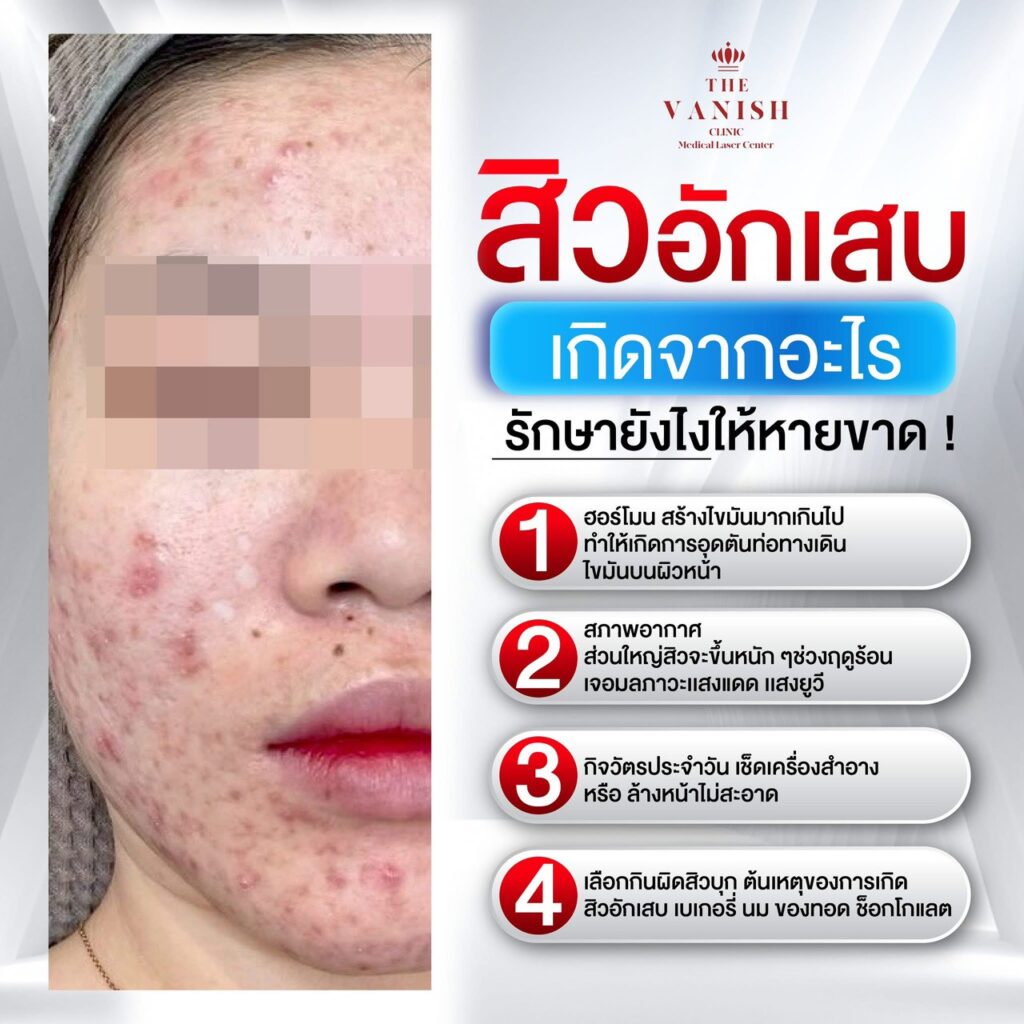
Inflammatory acne varies in appearance and severity. Understanding its different types can help in selecting a more appropriate treatment. The main types of inflammatory acne are generally classified as follows.
1. Papules
Papules are an early form of inflammatory acne. They appear as small, raised red bumps that feel tender to the touch, without a clearly visible head or pus. They develop from clogged pores and inflammation extending slightly deeper into the skin.
2. Large Inflamed Bumps / Nodules / Cysts
These are severe forms of inflammatory acne and are commonly grouped together as Nodules/Cystic Acne.
- Nodules: Large, firm, inflamed lumps located deep beneath the skin. They are very painful to the touch and may persist for several weeks or months.
- Cysts (pus-filled cystic acne): The largest and most severe form of inflammatory acne. These are large, pus-filled sacs beneath the skin that can be very painful. This type of acne often leaves deep scars after it heals.
3. Pustules
Pustules are raised red spots with a white or yellow pus-filled center. They result from inflammation in the pore accompanied by bacteria, which causes pus to form. Pustules are often painful, and if they rupture, bacteria may spread to other areas.
Treatments for Inflammatory Acne
There are several ways to treat inflammatory acne, depending on its severity, the type of acne, and the individual’s skin condition. A dermatologist should be consulted to assess the condition and develop an appropriate treatment plan. Common treatments for inflammatory acne include the following.
1. Treating Acne with Topical Creams
Creams or gels with exfoliating properties help reduce clogged pores, one of the causes of inflammatory acne. They work by accelerating the shedding of dead skin cells, preventing them from accumulating and blocking pores. They can also reduce existing comedones and lower the likelihood that they will develop into inflammatory acne.
Examples of medications in this group:
- Retinoids (vitamin A derivatives): Such as Tretinoin, Adapalene, and Tazarotene, which help reduce clogged pores and inflammation.
- Benzoyl Peroxide: Helps kill P. acnes, exfoliate the skin, and reduce clogged pores.
- Salicylic Acid (BHA): Penetrates pores effectively, helping exfoliate the skin and reduce blockages.
- Azelaic Acid: Helps inhibit bacterial growth, reduce inflammation, and even out skin tone.
2. Treating Acne with Topical Antibiotics
Topical Antibiotics work by killing P. acnes bacteria directly on the skin and also help reduce acne inflammation. They can often help inflamed acne subside and reduce redness and are commonly used to treat mild to moderate inflammatory acne.
Examples of medications in this group:
- Clindamycin: An antibiotic commonly used to treat inflammatory acne.
- Erythromycin: Another topical antibiotic option. Doctors may prescribe a topical antibiotic together with Benzoyl Peroxide to improve effectiveness and reduce the risk of antibiotic resistance.
– Treating Acne with Oral Antibiotics
Oral Antibiotics are generally used for moderate to severe inflammatory acne or when topical treatment alone has not worked sufficiently well. These medications act throughout the body to reduce P. acnes bacteria and the inflammatory process. Oral antibiotics must be used under close medical supervision so that the appropriate medication, dosage, and treatment duration can be determined, helping prevent side effects and antibiotic resistance.
Examples of medications in this group:
- Tetracyclines: Such as Doxycycline, Minocycline, and Lymecycline.
- Macrolides: Such as Erythromycin and Azithromycin (generally used when Tetracyclines cannot be taken).
3. Treating Acne with Hormonal Contraceptives
In some women, inflammatory acne may be caused by a hormonal imbalance, particularly elevated levels of male hormones (Androgens), which stimulate the sebaceous glands to produce more oil. Certain contraceptive pills containing estrogen and progestin can help balance hormone levels, lower androgen levels, and consequently reduce oil production, which may improve inflammatory acne. This treatment is suitable for women whose acne is associated with their menstrual cycle or a hormonal imbalance. A doctor must be consulted to select an appropriate and safe contraceptive pill.
- Example medication group: Combined Oral Contraceptives approved for treating acne.
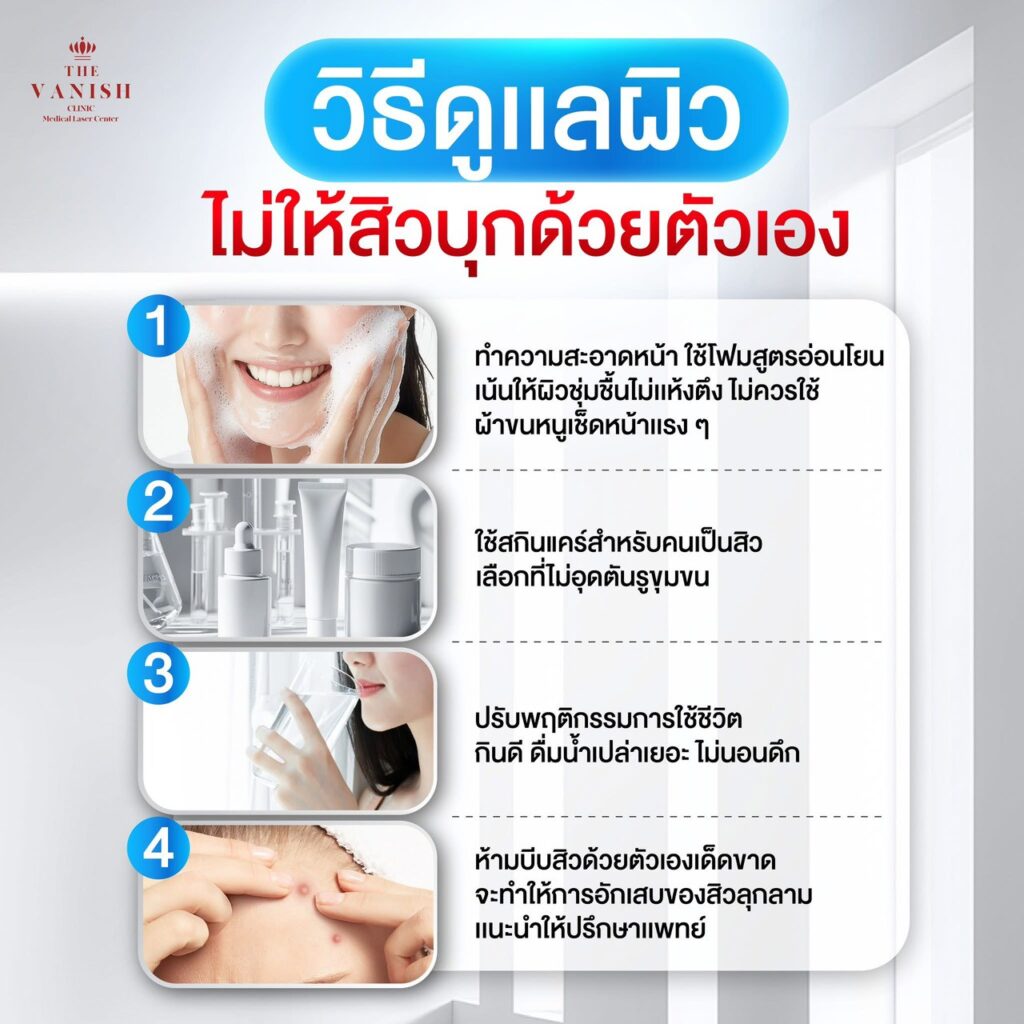
Inflammatory Acne Summary: What Medication Can You Take, and Can Antibiotics Be Used?
In summary, the answer to the question, “Can you take anti-inflammatory medication for inflammatory acne?” is that antibiotics may be used as either topical or oral treatments, particularly for moderate to severe inflammatory acne. Most importantly, these medications should be used following diagnosis and guidance from a medical specialist to ensure effective and safe treatment and reduce the risk of side effects and antibiotic resistance. Other treatments for inflammatory acne are also available, such as exfoliating medications or, in certain cases, contraceptive pills. A doctor will determine the most appropriate treatment approach for each individual.
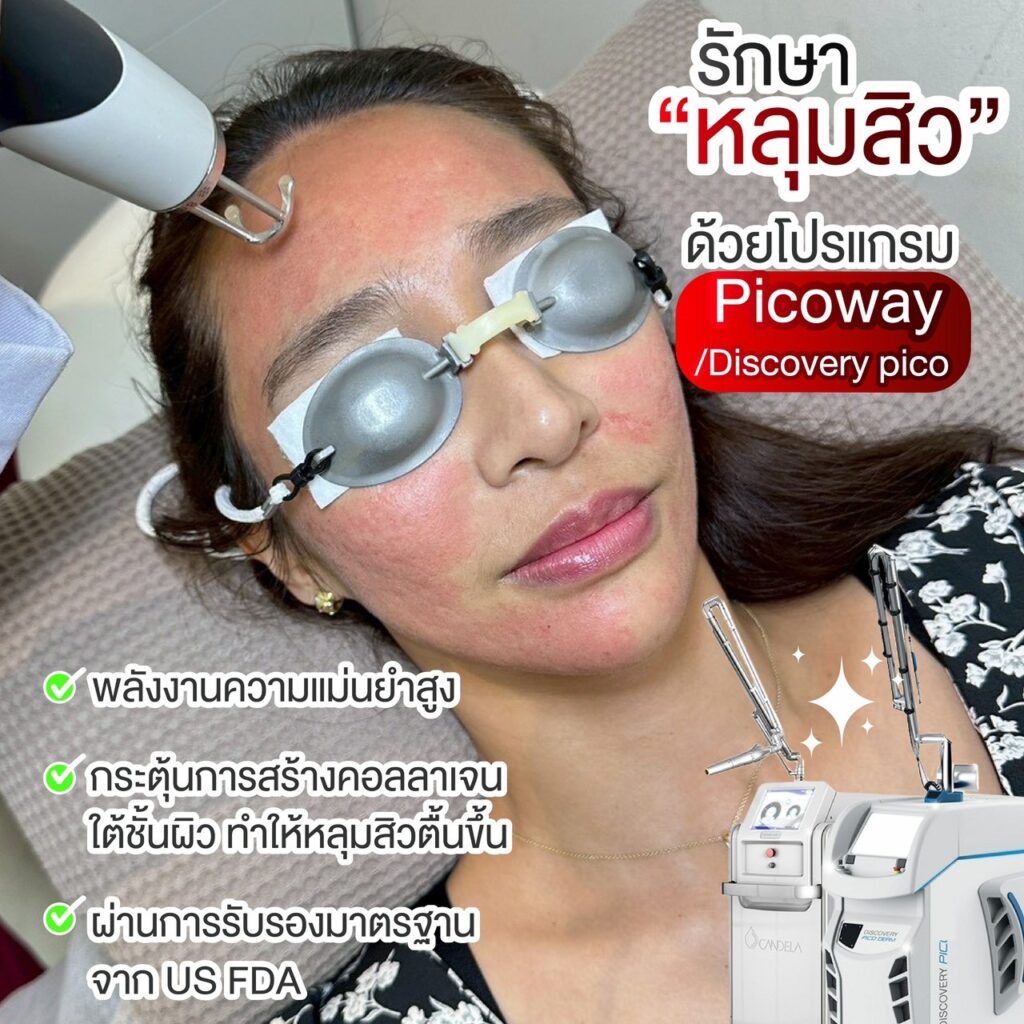
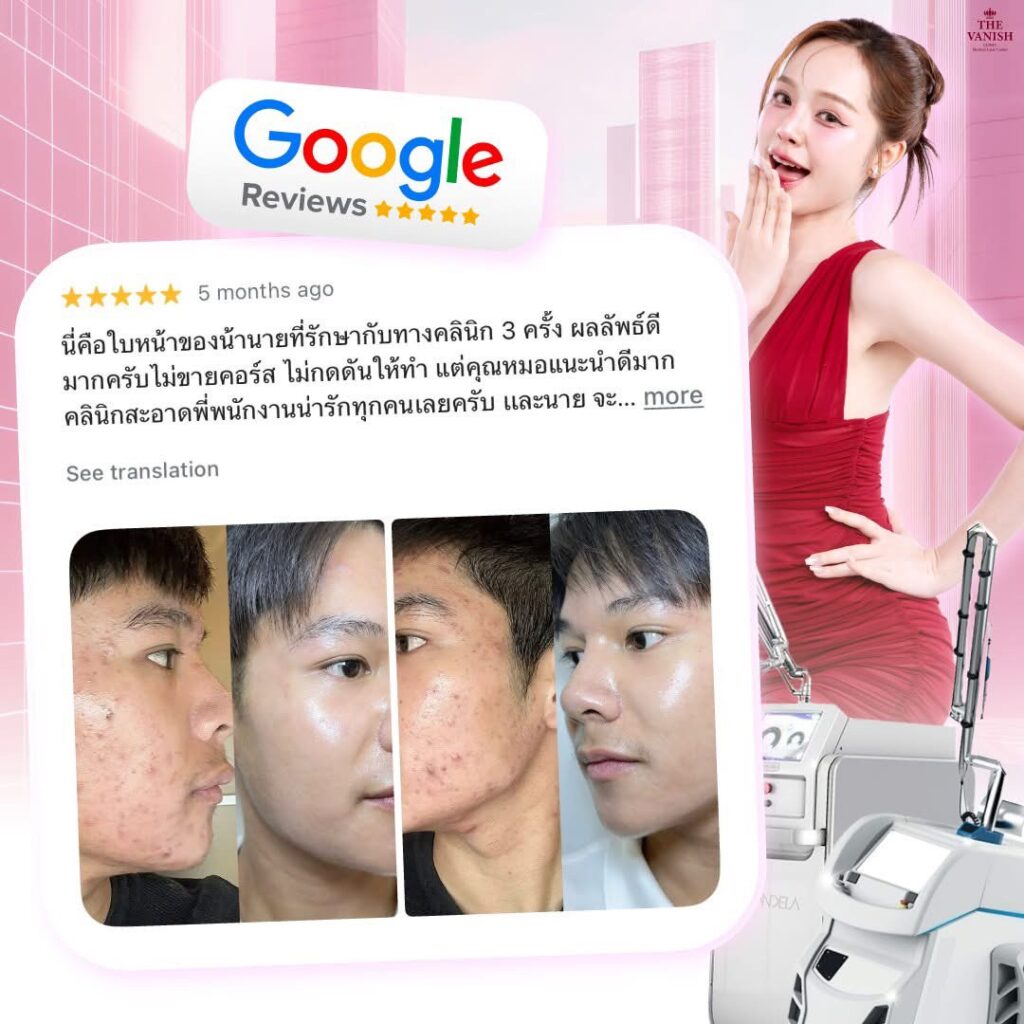
After inflammatory acne heals, it is often followed byred marks, dark spots, or even acne scars. The Vanish Clinic offers Pico Laser technology, which can help effectively reduce the appearance of these acne marks. Pico Laser is an innovative laser treatment that delivers high-speed light energy to abnormal pigment, breaking it into tiny particles that are then eliminated through the body’s natural processes. It helps fade acne marks, smooth the skin, and stimulate new collagen production, making the skin look healthier overall. If you are concerned about marks left by inflammatory acne, consult The Vanish Clinic for free advice and treatment planning.
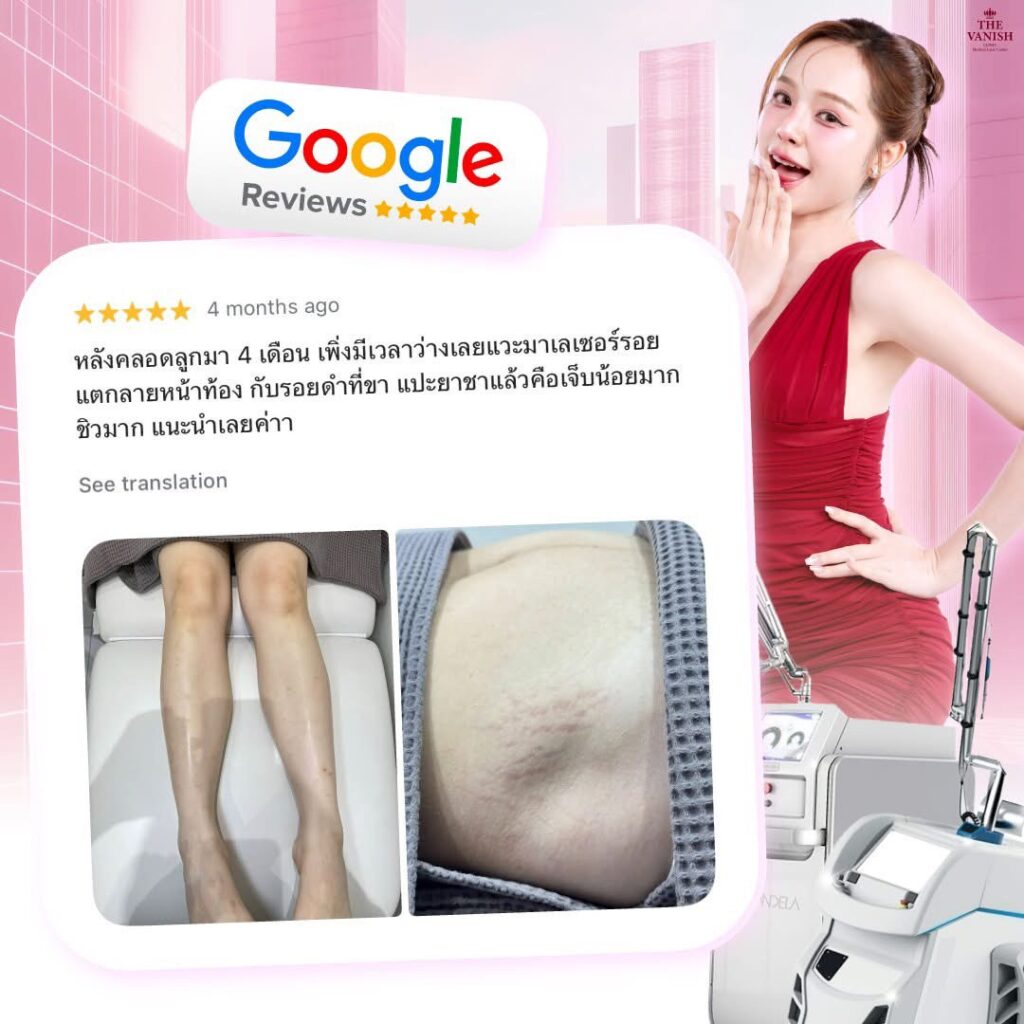
Ongoing Treatment Review for Inflammatory Acne and Acne Scars at The Vanish Clinic
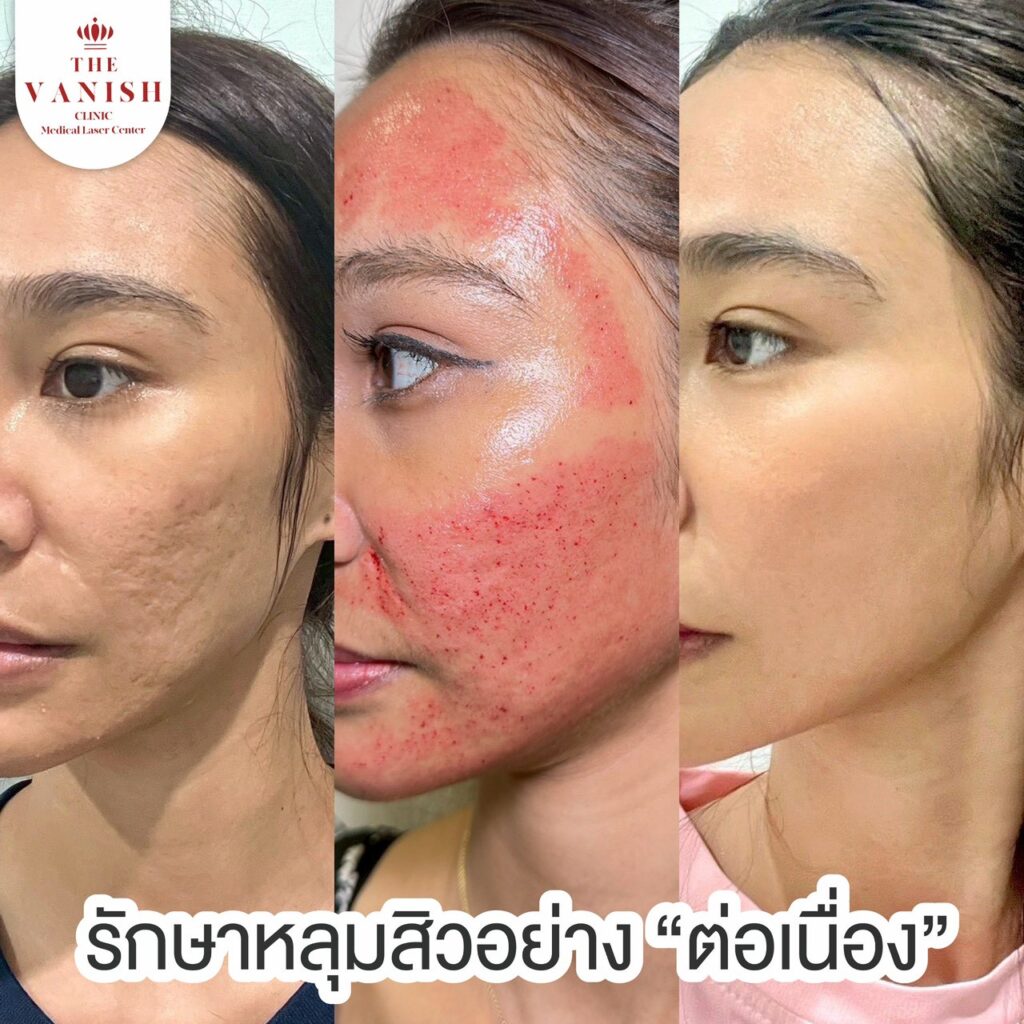
Genuine Google Reviews from The Vanish Clinic Patients