



Proper care after Pico Laser is a key factor affecting both short- and long-term results, including redness, peeling, and the risk of post-inflammatory hyperpigmentation or erythema (PIH). Many patients mistakenly believe that no aftercare is needed once the treatment is finished. In fact, the first 7–14 days are a critical window that can determine long-term skin quality.
What Is Pico Laser, and Why Does the Skin Need Special Care After Treatment?
Pico Laser is a picosecond laser that delivers energy in extremely short pulses, breaking pigment into fine particles while reducing heat buildup in the skin. In many cases, this makes it safer than older-generation lasers. However, despite generating less heat, it still causes “micro-injury” beneath the skin and triggers inflammation at the cellular level, so appropriate aftercare is essential.
What Happens to the Skin Immediately After Treatment?
- Capillaries dilate → redness occurs
- Keratinocyte activation → the skin becomes sensitive to light
- Pigment breaks apart → the skin may temporarily appear darker
- The skin barrier is weakened → the skin is easily irritated
Normal Symptoms After Pico Laser Treatment
Many people worry about whether these symptoms are normal. To clarify, the first 24–72 hours are normally the inflammatory phase.
Symptoms Considered Normal
- Facial redness
- Warm skin
- Mild swelling
- Dry, tight skin
- Temporary darkening of pigmented spots
Average Recovery Timeline
| Time | Common Symptoms |
| Day 1 | Redness and mild swelling |
| Days 2–3 | How long does Pico Laser redness last? It usually begins to fade |
| Days 5–7 | Pigmented spots begin to flake off |
| Days 7–14 | Skin tone begins to look more even |
Does Pico Laser Aftercare Differ Between Devices?
Although the basic principles of care after Pico Laser treatment are similar, some details may vary depending on the device and treatment mode because each platform uses different energy levels and delivery patterns.
When Using a Device That Targets Deeper Pigment
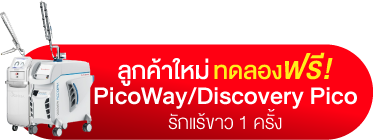
In cases involving pigment-focused devices, such as a system with highly stable energy delivery like PicoWay Laser
The skin will often:
- Remain red only briefly
- Have mild swelling
- Have no obvious crusting
- Aftercare guidelines
- Follow strict sun protection for 7 days
- Avoid intense heat, such as saunas
- Apply moisturizer to reduce dryness
When Using a Collagen-Stimulating or Acne-Scar Mode
In some cases, a fractional device such as Discovery Pico may be used in a mode that stimulates deeper layers of the skin.
After-treatment symptoms may include:
- Slightly longer-lasting redness
- Rough skin texture
- Tiny areas of micro-crusting
- Additional aftercare guidelines
- Do not pick at or scrub the skin
- Avoid active skincare ingredients such as retinol for 7–10 days
- Use more barrier cream during the first 3–5 days
Why Does Recovery Time Vary?
Although these treatments are collectively called Pico Laser, recovery time depends on:
- The depth of the target
- The mode used (fractional or pigment mode)
- The total energy delivered
- The type of device, such as a PicoWay Laser system or a Discovery Pico system
- Therefore, there is no single answer to “How long does Pico take to heal?” or “How long does Pico Laser redness last?” The treatment protocol must also be considered.
How Long Does Pico Take to Heal?
The answer is: “It depends on the type of skin concern and the energy intensity.”
Average recovery times
- General skin-brightening treatment: 3–5 days
- Acne marks or pigmentation: 5–7 days
- Melasma or deep pigmentation: 7–14 days
How Long Does Pico Laser Redness Last?
- Low energy: 1–2 days
- Medium energy: 2–3 days
- High energy: 3–5 days
If redness lasts longer than 7 days, return for an examination.
What Foods Should You Avoid After Pico Laser?
Although this is not major surgery, dietary control can help reduce inflammation and PIH. The doctor recommends avoiding the following during the first 3–5 days.
Foods and Drinks to Avoid
- Alcohol
- Very spicy food
- Fermented or pickled food
- Oily fried food
- Certain collagen-stimulating supplements
What to Consume Instead
- More clean drinking water
- High-quality protein
- Natural sources of vitamin C
- Leafy green vegetables
Can You Wear Makeup After Pico Laser?
An important question is: Can you wear makeup after Pico Laser? The answer depends on the condition of your skin.
Guidelines Used in Clinical Practice
- Day 1: Avoid wearing makeup
- Day 2: If there are no open wounds, light makeup may be applied
- Use mineral foundation
- Avoid vigorous rubbing
What to Avoid
- Scrubs
- Alcohol-based toner
- Retinol
- AHA/BHA during the first 7 days
Skincare Routine for the First 7 Days
This is the key period for preventing PIH.
Days 1–3
- Wash your face with a gentle cleanser
- Apply a rich moisturizer
- Apply SPF50+ sunscreen
Days 4–7
- Add a soothing serum
- Avoid strong active ingredients
Factors That Help Pico Laser Results Last Longer
- Consistent sun protection
- Avoiding repeated UV exposure
- Avoiding intensive treatments too soon
- Repeating treatment according to the program
FAQ: Common Questions After Pico Laser
Q1: How long does Pico Laser redness last?
Usually 2–3 days. If it lasts longer than 7 days, consult a doctor.
Q2: How long does peeling last after Pico?
Approximately 5–7 days.
Q3: Do you need to avoid seafood after Pico Laser?
If you are not allergic, there is no need to avoid it.
Q4: When can you wear makeup?
On days 2–3, provided there are no open wounds.
Q5: Is it normal for the face to temporarily look darker after treatment?
Yes. This is caused by oxidation of the pigment.
Doctor’s Summary
Care after Pico Laser involves more than sun protection; it also means controlling inflammation at the cellular level. With proper care, the risk of post-treatment hyperpigmentation is very low, and results become more noticeable within 1–2 weeks. Follow-up with the treating doctor is recommended so the program can be adjusted to suit each person’s skin.